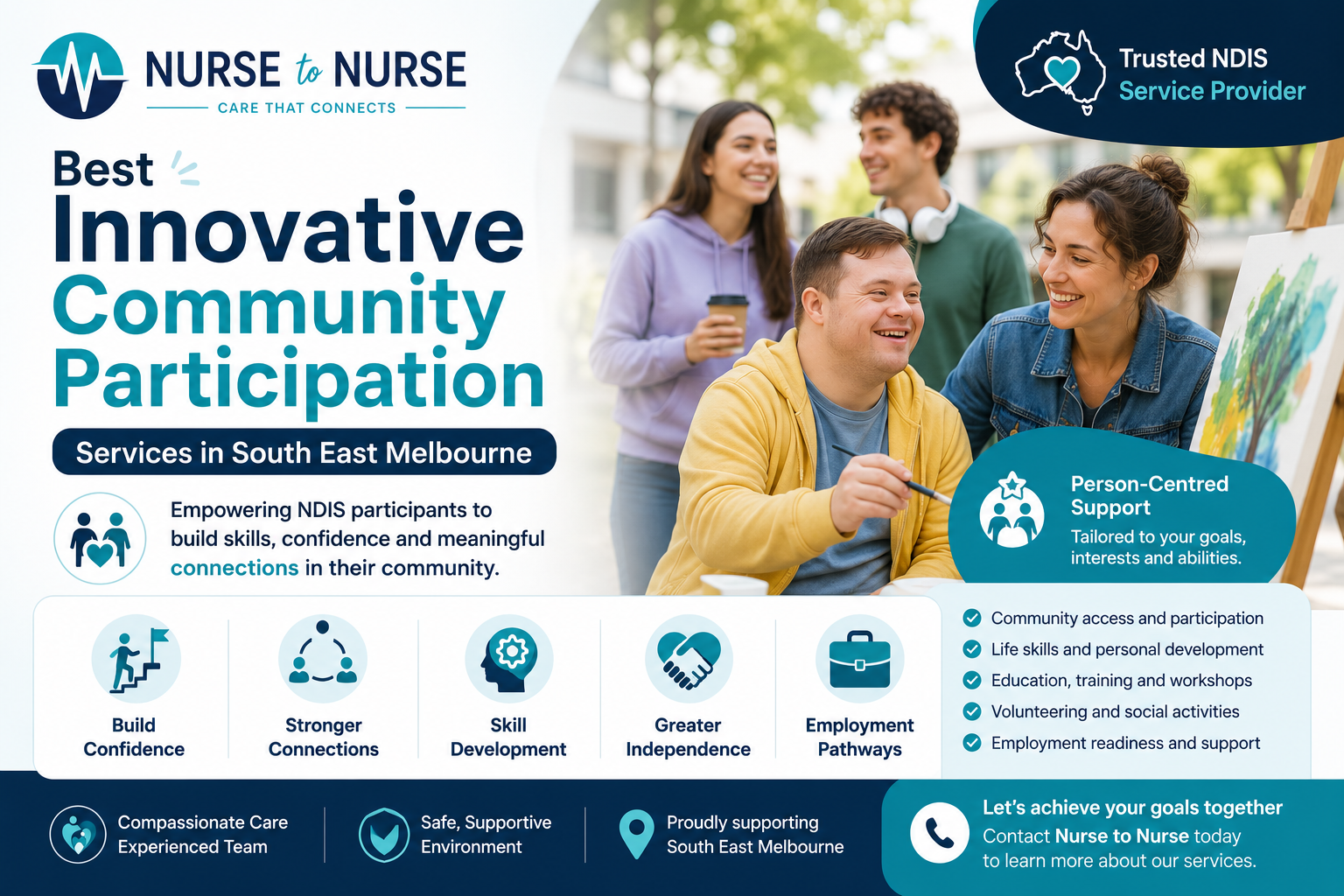
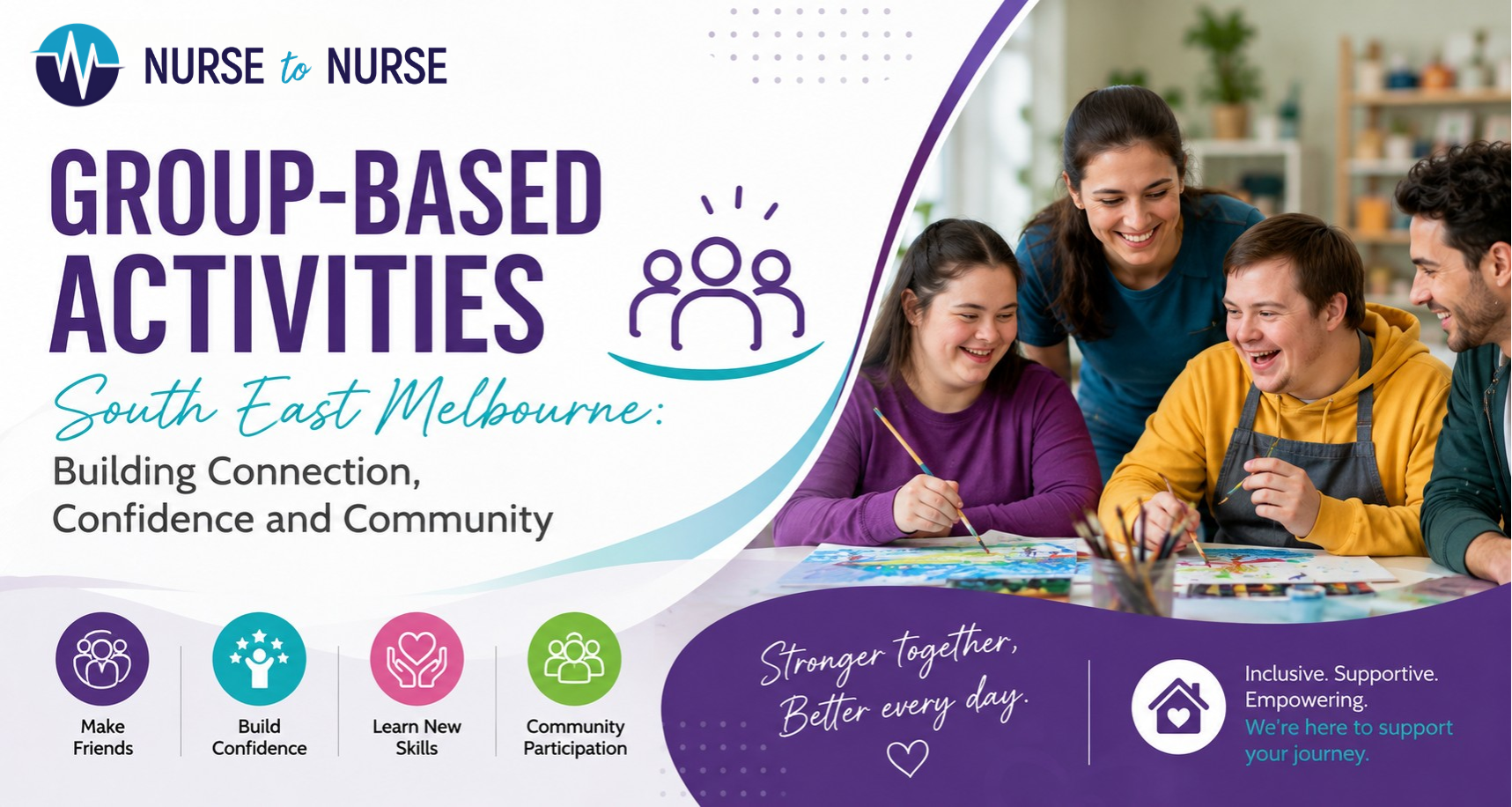
Finding meaningful activities that encourage social connection, confidence, independence and community participation can make a significant difference to a person’s everyday life. For people accessing the National Disability Insurance Scheme (NDIS), group-based activities in South East Melbourne can provide opportunities to learn new skills, meet others and participate in enjoyable experiences within a supportive environment.
From creative sessions and recreational activities to cooking, fitness, community outings and life-skills programs, group activities can be tailored to different interests, abilities and individual goals.
What Are Group-Based Activities?
Group-based activities bring people together to participate in structured or recreational activities with support from trained staff or facilitators.
Depending on the participant’s interests and goals, activities may include:
- Arts, crafts and creative projects
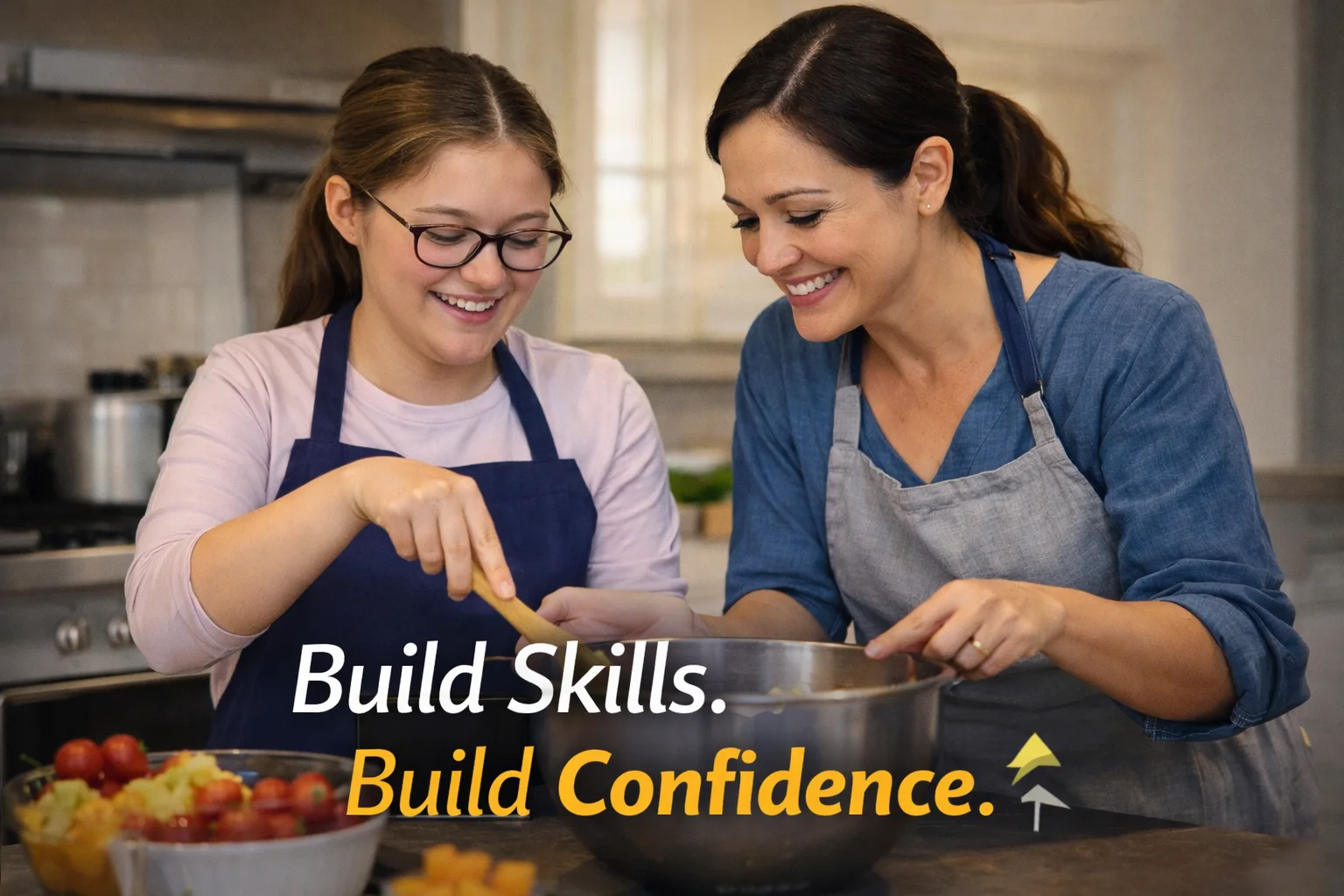
- Cooking and meal-preparation sessions
- Games and recreational activities
- Fitness and movement activities
- Music and sensory activities
- Social groups
- Community outings
- Shopping and budgeting activities
- Communication and social-skills activities
- Daily living and independence-building activities
The purpose isn’t simply to keep participants busy. Well-planned group activities can create opportunities for participants to practise skills, make choices, interact with others and become more involved in their local community.
Benefits of Group-Based Activities in South East Melbourne
1. Opportunities for Social Connection
Social interaction is an important part of community participation. Group activities create a natural environment where participants can meet people with similar interests and develop friendships and social connections.
Regular participation can also provide a sense of routine and belonging.
2. Building Confidence and Independence
Participating in activities such as cooking, shopping, crafts or community outings can provide opportunities to practise everyday skills.
With appropriate support, participants can gradually become more confident in making choices, communicating their preferences and taking part in activities more independently.
3. Developing Communication and Social Skills
Group settings can encourage participants to practise skills such as:
- Taking turns
- Listening to others
- Starting conversations
- Expressing preferences
- Working as part of a group
- Following instructions
- Asking for assistance
Activities can be adapted according to each person’s communication style, abilities and comfort level.
4. Encouraging Community Participation
Group-based programs can also extend beyond a centre. Depending on the program and individual goals, participants may take part in community-based activities such as visiting local parks, libraries, shopping centres, recreational venues or community events.
These experiences can help participants become more familiar and comfortable with their local community.
5. Exploring Interests and New Skills
Trying different activities can help people discover new interests. Someone who enjoys a cooking session may develop an interest in meal preparation, while another participant may prefer art, music, sport or outdoor activities.
Offering a variety of options allows participants to make choices based on their interests and goals.
What Are Centre-Based Activities?
Centre-based activities take place at a dedicated facility where participants can access structured activities and social opportunities in a supported environment.
A centre may offer a combination of recreational, educational, social and skill-development activities. The exact program will depend on the provider, available facilities and participant needs.
Examples may include:
- Art and craft workshops
- Cooking activities
- Indoor games
- Group discussions
- Music sessions
- Exercise and movement
- Life-skills activities
- Social events
- Sensory-friendly activities
Centre-based programs can be particularly useful for people who enjoy having a predictable environment and opportunities to participate in activities alongside others.
Group and Centre-Based Activities NDIS: What Should Participants Consider?
For people using NDIS supports, choosing appropriate Group and Centre-Based Activities NDIS services should begin with the participant’s individual needs, preferences and goals.
It is important to understand that NDIS funding and eligibility depend on individual circumstances and the participant’s plan. Not every activity or service will automatically be funded by the NDIS.
Before choosing a provider, participants and their support networks may wish to consider:
Does the activity support individual goals?
An activity should have a meaningful connection to what the participant wants to achieve, whether that involves social participation, developing independence, building skills or engaging with the community.
Is the environment inclusive?
A quality group program should consider accessibility, communication requirements, sensory preferences, mobility needs and individual comfort.
Are participants encouraged to make choices?
Person-centred support means giving participants appropriate opportunities to express their preferences and have a say in the activities they participate in.
Is there appropriate support?
The level of support required can differ considerably between participants. Ask the provider about staffing, supervision, accessibility and how support is adapted to individual needs.
Are activities varied?
A varied program can provide participants with opportunities to explore different interests rather than repeatedly participating in the same type of activity.
How to Choose the Best Group-Based Activities South East Melbourne
When searching for the Best Group-Based Activities South East Melbourne, it can be tempting to focus only on the number of activities offered. However, the best option is usually the one that is most suitable for the individual participant.
Consider these factors before making a decision:
1. Participant interests:
Choose activities that the person genuinely enjoys or would like to explore.
2. Individual goals:
Look for programs that can complement the participant’s personal development and community participation goals.
3. Accessibility:
Consider physical accessibility, transport, communication support and sensory requirements.
4. Group size:
Ask about typical group sizes and whether the environment suits the participant.
5. Staff experience:
Find out about staff training, experience and how they provide person-centred support.
6. Program flexibility:
A good program should be able to consider individual preferences and changing needs where possible.
7. Location and transport:
For participants in South East Melbourne, the location of the centre and accessibility of transport can have a major impact on whether regular participation is practical.
Group Activities That Can Support Different Goals
Not everyone joins a group program for the same reason. Activities can be selected according to individual goals.
| Participant Goal | Examples of Suitable Activities |
| Social connection | Social groups, games, group events |
| Communication | Group discussions, collaborative activities |
| Independence | Cooking, shopping, budgeting |
| Community participation | Local outings and community activities |
| Creativity | Art, crafts, music |
| Physical wellbeing | Movement, exercise and recreational activities |
| Daily living skills | Meal preparation, organisation and practical tasks |
The important consideration is how the activity relates to the participant rather than simply choosing an activity because it is popular.
Why Person-Centred Support Matters
Every participant has different interests, strengths, communication preferences and support requirements. A person-centred approach recognises these differences.
Rather than expecting everyone to participate in exactly the same way, support can focus on helping each person engage at a level that is appropriate for them.
For example, one participant may confidently lead part of a cooking activity, while another may initially need more guidance. Both can participate meaningfully when the activity and support are adapted to their needs.
Making Group Activities More Meaningful
A successful group activity is not necessarily the most complicated one. Simple activities can create valuable opportunities for interaction and skill development when they are planned thoughtfully.
Providers can make activities more meaningful by:
- Asking participants what they enjoy
- Offering choices wherever practical
- Setting clear and achievable goals
- Adapting activities to individual abilities
- Encouraging positive social interaction
- Supporting independence rather than doing everything for participants
- Reviewing activities based on participant feedback
This approach helps ensure that group programs remain relevant to the people who attend them.
Finding Group-Based Activities in South East Melbourne
South East Melbourne includes a diverse range of communities, facilities and recreational opportunities. When looking for a group or centre-based program, participants and families can compare providers based on their location, services, accessibility, activity options and approach to support.
It can also be helpful to visit a centre before making a decision. A visit may provide a better understanding of the environment, available facilities, group atmosphere and how staff interact with participants.
Ask questions about the program, including:
- What activities are currently available?
- How are activities selected?
- Can participants suggest activities?
- What level of support is available?
- How are individual needs accommodated?
- What are the typical group sizes?
- Is transport available?
- How does the provider communicate with families or support networks?
Taking the time to ask these questions can help participants make a more informed decision.
Final Thoughts
Group-based activities in South East Melbourne can provide more than recreation. When thoughtfully designed and matched to individual needs, they can create opportunities for social connection, confidence, skill development, independence and community participation.
For NDIS participants, Group and Centre-Based Activities NDIS options should be considered in the context of their individual goals, plan and funding arrangements. The right program is one that provides a safe, inclusive and supportive environment while respecting each participant’s choices and preferences.
If you’re looking for the Best Group-Based Activities South East Melbourne, consider the person’s interests, goals, accessibility requirements and preferred level of support rather than simply choosing the largest or most advertised program.
Frequently Asked Questions
What are group-based activities?
Group-based activities are structured or recreational activities where several participants take part together, often with support from trained staff. Activities can include cooking, art, games, social groups, exercise and community outings.
What are centre-based activities?
Centre-based activities take place at a dedicated facility and may include social, recreational, creative and life-skills programs in a supported environment.
Can NDIS participants access group and centre-based activities?
Some participants may have funding that can be used for eligible group or centre-based support, depending on their individual NDIS plan and circumstances. Participants should check their plan and discuss funding with their provider or relevant NDIS representative.
How do I choose group-based activities in South East Melbourne?
Consider the participant’s goals, interests, accessibility requirements, preferred activities, group size, staffing and location. Visiting the centre and speaking with the provider can also help you decide whether a program is suitable.
Are group activities suitable for everyone?
Group participation looks different for each person. Activities can often be adapted to accommodate different abilities, communication styles, sensory preferences and support requirements. The suitability of a particular program should be assessed according to the individual participant.