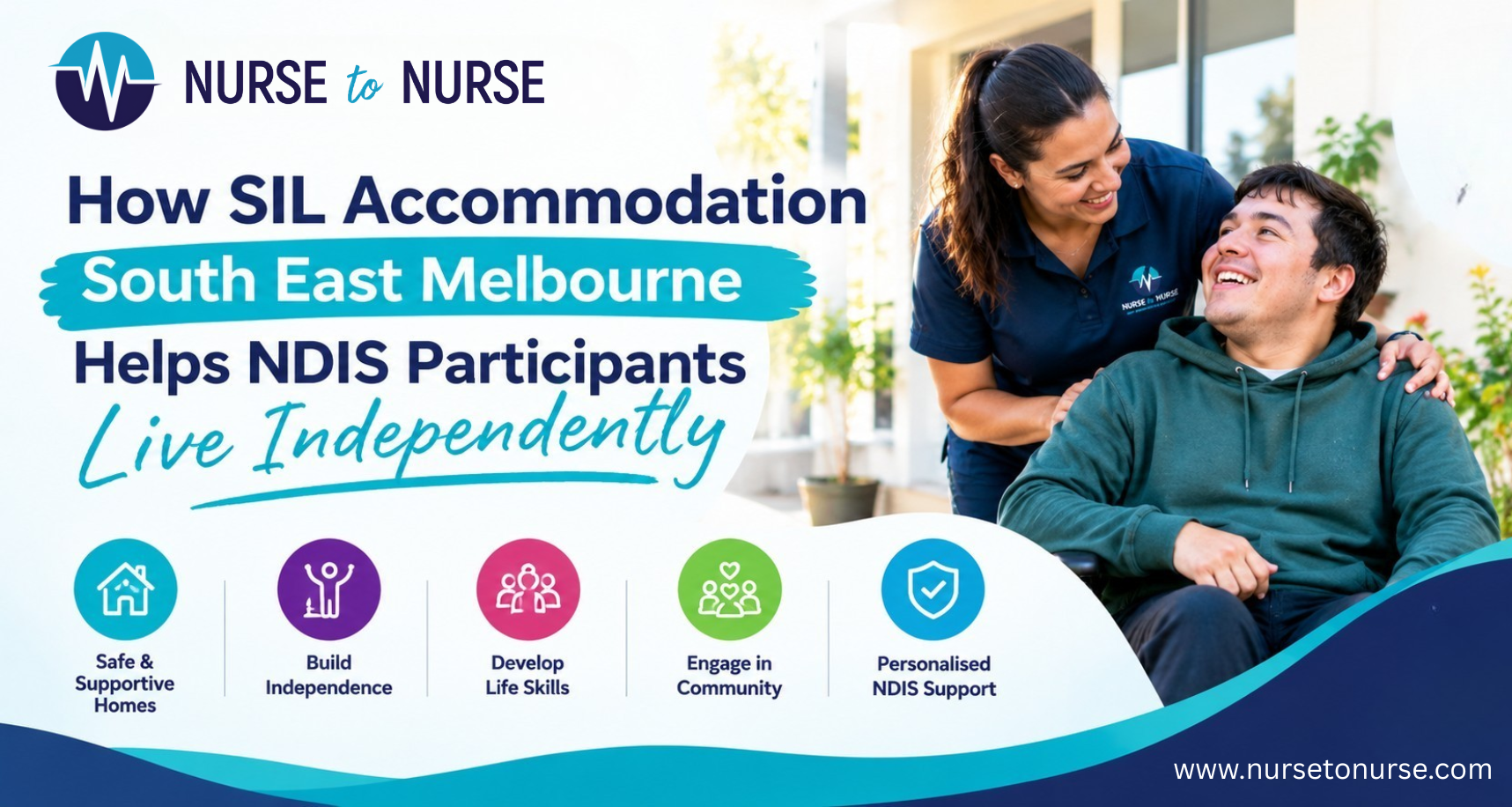
Living independently means having the freedom to make choices, develop everyday skills, and feel comfortable in your home and community. For people living with disabilities, the right support can make a meaningful difference in achieving these goals. Supported Independent Living (SIL) is an NDIS support designed to help eligible participants with daily tasks while encouraging greater independence, confidence, and personal choice.
For individuals and families exploring SIL Accommodation South East Melbourne, understanding how supported living works can help them make informed decisions about their future.
At Nurse To Nurse, we recognise that every individual has different abilities, preferences, and support needs. With appropriate assistance, participants can work towards their personal goals, develop practical life skills, and enjoy greater involvement in everyday life.
In this guide, we explain how SIL accommodation supports independent living, the importance of teaching daily living skills, and what to consider when exploring supported accommodation options in South East Melbourne.
What Is Supported Independent Living (SIL)?
Supported Independent Living, commonly known as SIL, is an NDIS support that helps eligible participants with higher support needs manage everyday activities in their home.
Depending on the participant’s individual circumstances and support arrangements, assistance may include personal care, preparing meals, maintaining household routines, and developing skills for daily life.
SIL is generally associated with support provided in a shared home or another suitable living arrangement. The level of assistance varies according to each person’s needs, goals, and assessed support requirements.
It is important to understand that SIL funding is intended to cover eligible assistance with daily living. It does not generally pay for rent, groceries, utilities, or other ordinary living expenses.
SIL is also different from Specialist Disability Accommodation (SDA), which relates to eligible participants’ housing needs and the physical design or features of their accommodation.
Understanding these differences can help participants and their families explore suitable options and plan for the support they require.
How SIL Accommodation South East Melbourne Promotes Independence
The right living arrangement can provide more than a place to stay. It can create opportunities for participants to build confidence, practise new skills, and exercise greater control over their daily routines.
Here are some of the ways SIL can support independent living.
1. Personalised Support With Daily Activities
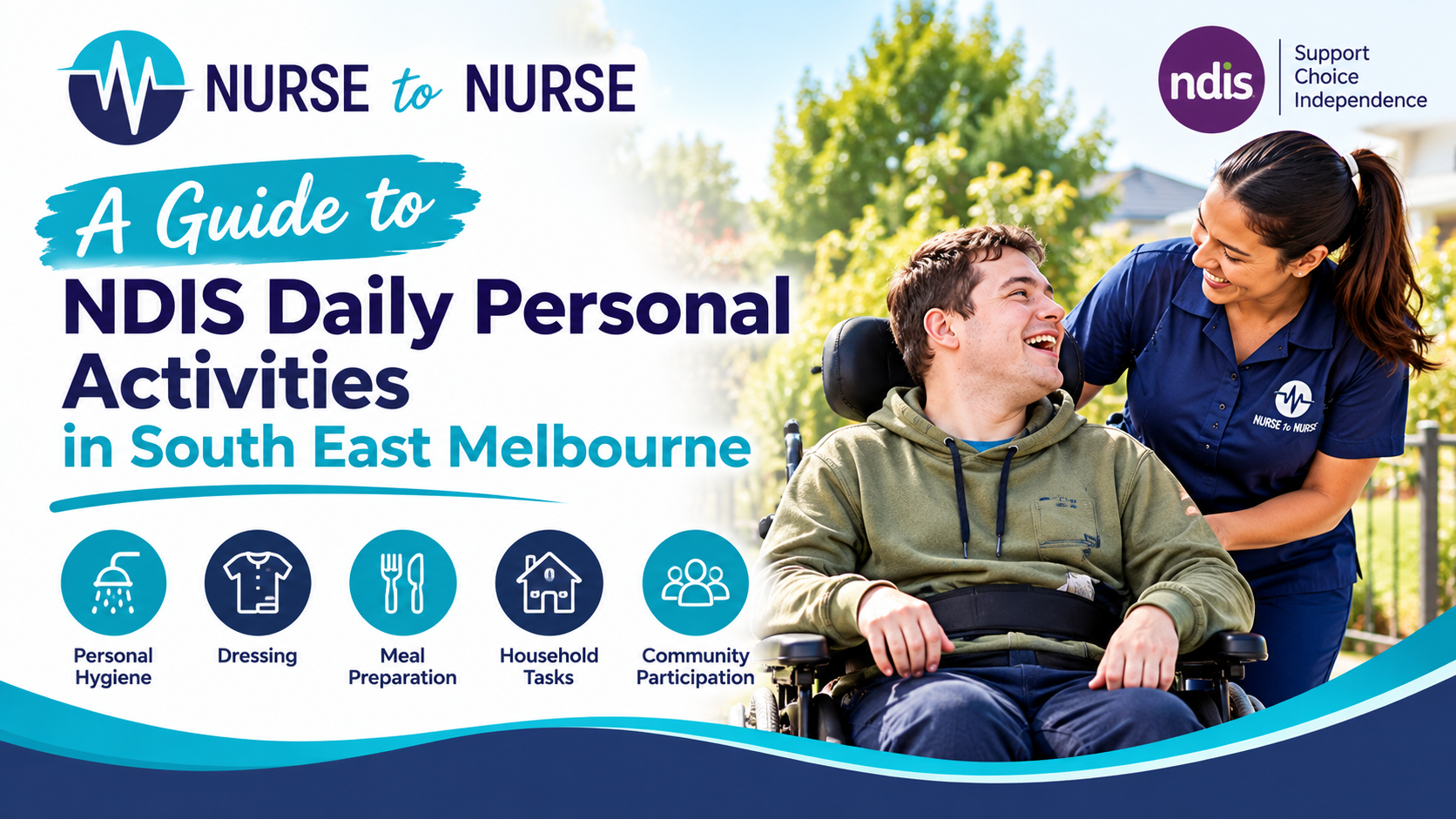
Some participants need assistance with personal care, dressing, grooming, meal preparation, or following daily routines.
SIL support can help eligible participants manage these activities while respecting their privacy, preferences, and dignity.
Support should be tailored to the individual. For example, one participant may need reminders to complete certain tasks, while another may require more hands-on assistance.
The aim is to provide the appropriate level of support without unnecessarily limiting opportunities for independence.
2. Teaching Daily Living Skills
Teaching Daily Living Skills is an important part of helping people build confidence and participate more actively in their own lives.
Depending on individual goals and abilities, participants may work on skills such as:
- Preparing simple meals and following basic food safety practices.
- Keeping personal spaces clean and organised.
- Managing laundry and household routines.
- Planning shopping lists and understanding everyday purchases.
- Following schedules and remembering daily tasks.
- Communicating preferences and asking for assistance when needed.
For example, a participant who wants to prepare breakfast independently may begin by learning how to organise ingredients and follow a simple recipe with appropriate support.
As confidence develops, the participant may take responsibility for more steps of the task.
Progress will look different for everyone. The focus should be on meaningful personal goals, practical skill development, and opportunities to make choices.
3. Encouraging Choice and Control
Independence involves having a say in how you live, not simply completing tasks without help.
SIL arrangements should respect participants’ preferences regarding daily routines, meals, activities, personal space, and household responsibilities.
Participants should be encouraged to express their opinions and take part in decisions that affect their lives.
For families and carers, this can mean seeing their loved one develop greater confidence in expressing needs, exploring interests, and making everyday choices.
4. Building Social Connections
Living independently does not mean living without social connections.
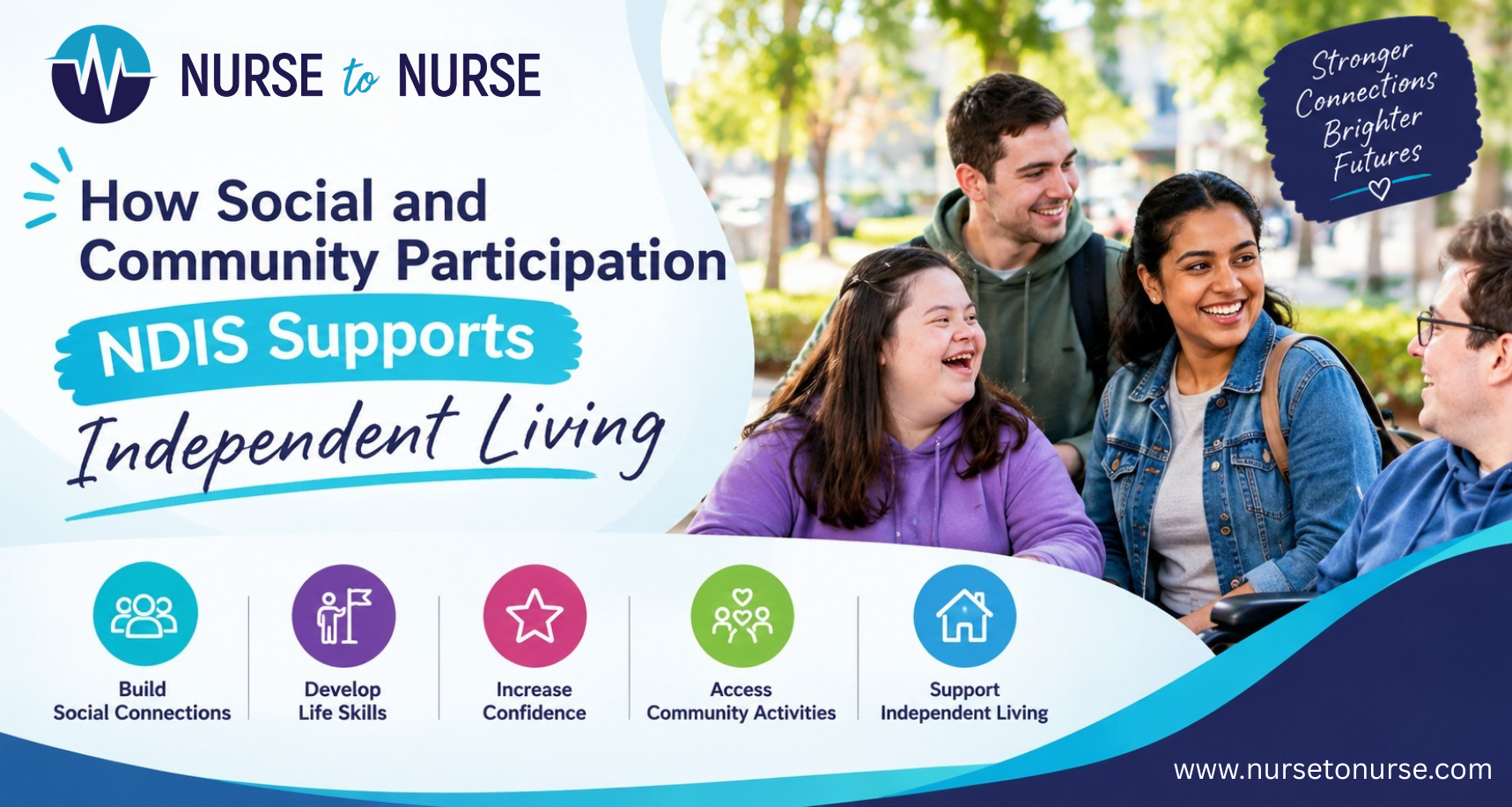
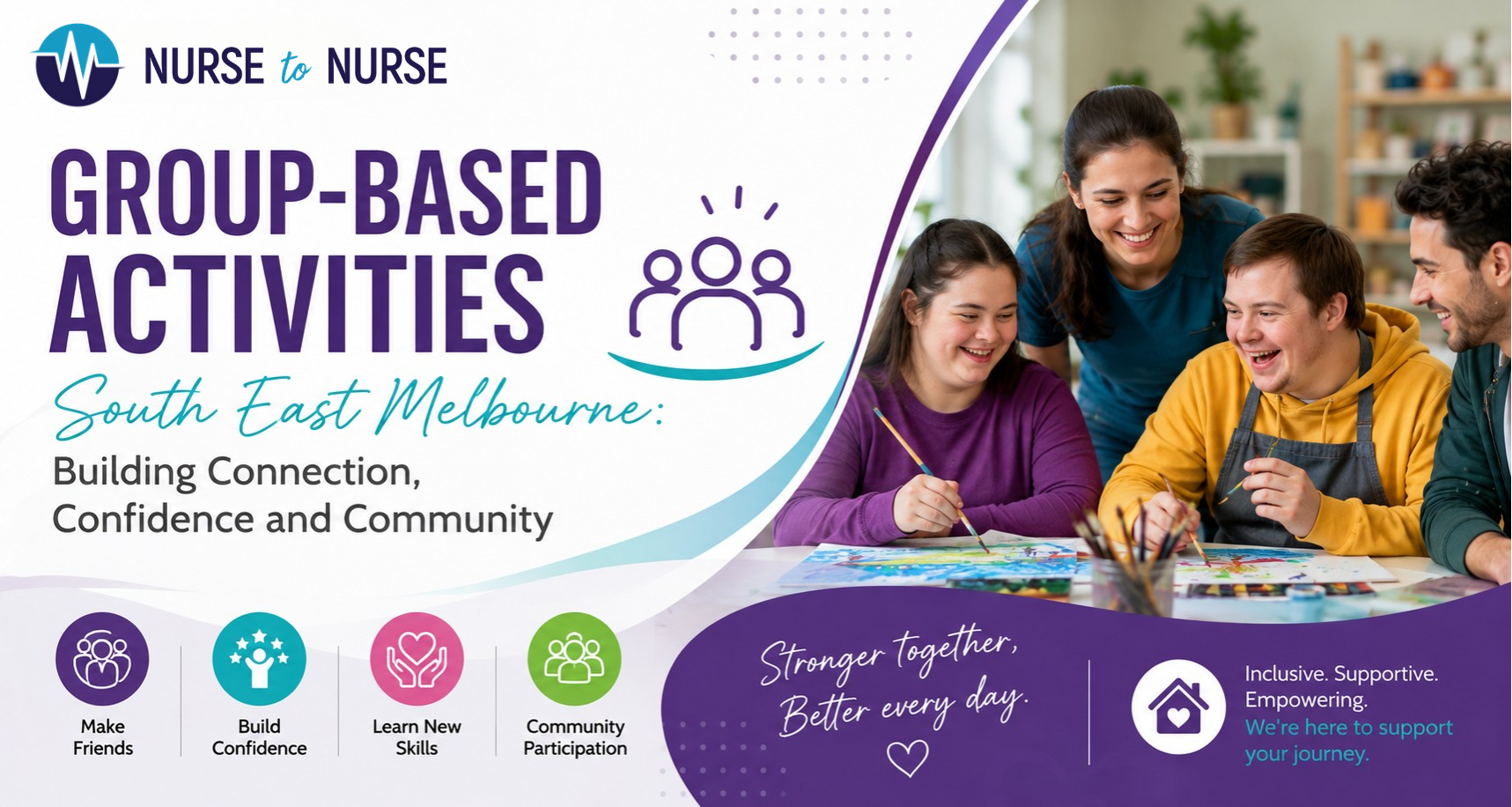
Suitable supported living arrangements can provide opportunities to interact with housemates, develop friendships, and participate in activities outside the home.
Participants may enjoy shared meals, hobbies, recreational activities, or visits to local community facilities, depending on their interests and support arrangements.
These experiences can help create a sense of belonging while encouraging participants to maintain relationships with family, friends, and the wider community.
5. Developing Confidence Through Daily Routines
Consistent routines can help participants feel more comfortable managing everyday responsibilities.
With appropriate support, individuals may practise organising their day, preparing meals, completing household tasks, and planning activities.
Predictable routines can also make it easier to identify areas where additional assistance may be useful.
Over time, participants may become more familiar with their responsibilities and more confident in making decisions about their daily lives.
Finding Supported Independent Living South East Melbourne
When exploring Supported Independent Living South East Melbourne, it is important to look beyond the property itself.
A suitable arrangement should consider the participant’s support needs, preferred lifestyle, accessibility requirements, and personal goals.
Before choosing a provider or living arrangement, consider the following factors.
Individual support needs: Ask how the provider assesses support requirements and develops an approach that respects each participant’s abilities and preferences.
Staff experience and qualifications: Discuss staff training, relevant disability support experience, supervision, and how the provider manages changes in support needs.
Daily routines and personal choice: Find out how participants are involved in decisions about meals, household tasks, activities, and their everyday schedules.
Compatibility with housemates: For shared accommodation, consider whether the household environment, routines, and preferences are likely to be suitable for the participant.
Safety and accessibility: Discuss mobility requirements, communication needs, emergency arrangements, and any environmental adjustments that may be necessary.
Progress towards personal goals: Ask how the provider helps participants work towards goals such as developing household skills, building confidence, and participating in the community.
The participant should remain central to the decision-making process, with family members, carers, and relevant professionals involved where appropriate.
Understanding SIL Accommodation Melbourne Options
People searching for SIL accommodation Melbourne may find different living arrangements depending on their location, support needs, and available housing options.
Some participants may prefer a shared home with other residents, while others may need a particular accessibility setup or a living environment suited to their individual circumstances.
When comparing options, consider more than location and appearance. It is also important to understand how daily support will be delivered, whether staffing arrangements meet the participant’s needs, and how personal goals will be incorporated into everyday life.
Remember that SIL funding does not automatically guarantee access to a particular property or a vacancy. Housing availability, support arrangements, and NDIS funding requirements all need to be considered.
Participants who may require specialist housing features should also explore whether Specialist Disability Accommodation is relevant to their circumstances.
Taking time to understand these options can help participants and families make more informed decisions about long-term living arrangements.
The Importance of Transport Support South East Melbourne
Independent living also involves being able to access the places and services that matter to you.
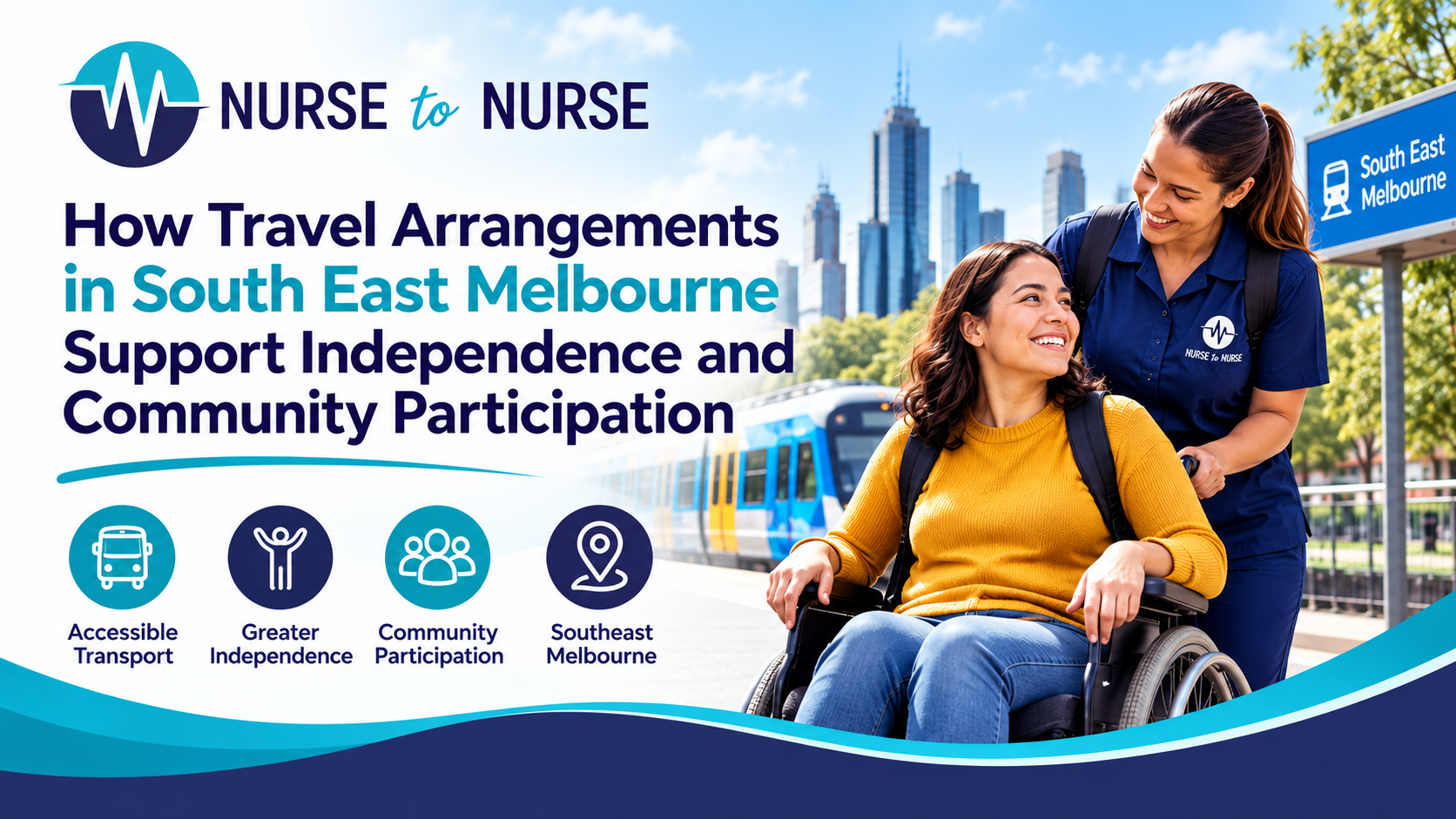
Transport Support South East Melbourne can be an important consideration for NDIS participants who want to attend appointments, visit family and friends, go shopping, or participate in community activities.
Depending on a person’s needs and available arrangements, transport-related assistance may involve planning journeys, developing public transport skills, or coordinating appropriate travel support.
For example, a participant working towards greater independence may practise planning a trip to a local shopping centre, identifying the correct bus route, or understanding where to get off safely.
Other participants may need more direct assistance with travel because of mobility, communication, or other support requirements.
Transport assistance should be considered alongside the participant’s wider goals and circumstances. Not all transport costs or services are funded by the NDIS, so eligibility and funding arrangements should be checked individually.
When discussing SIL options, ask how the provider supports participants to access the community and how transport arrangements are coordinated with other services where appropriate.
How Nurse To Nurse Can Support Your Journey
At Nurse To Nurse, we understand that choosing a supported living arrangement is an important decision for participants and their families.
Every individual has different goals, abilities, preferences, and support requirements. Finding appropriate support begins with understanding these differences and exploring options that promote dignity, choice, and independence.
If you are considering SIL or looking for information about disability support services in South East Melbourne, Nurse To Nurse can be a starting point for discussing your needs and identifying relevant service options.
When speaking with a provider, consider asking about available services, staff experience, support planning, community access, and how assistance can be tailored to your circumstances.
It is also important to confirm the provider’s current service availability and whether the proposed supports align with your NDIS plan and eligibility.
Conclusion
SIL accommodation can help eligible NDIS participants work towards greater independence by providing assistance with everyday tasks, encouraging practical life skills, and supporting personal choice.
From teaching daily living skills to developing household routines and accessing the community, appropriate support can create opportunities for participants to build confidence at their own pace.
For people exploring SIL Accommodation South East Melbourne, the most suitable option will depend on individual goals, support needs, living preferences, and available arrangements.
Nurse To Nurse recognises the importance of person-centred support that respects individual choices and promotes participation in everyday life.
If you or a family member are exploring supported living options, take the time to understand the available services, ask questions, and consider how each arrangement could support long-term goals.
The right support can help make everyday life more manageable while creating opportunities for greater confidence, connection, and independence.
Frequently Asked Questions
1. What is SIL accommodation under the NDIS?
Supported Independent Living is an NDIS support that helps eligible participants with daily tasks at home. The type and level of assistance depend on individual needs, goals, and funding arrangements.
2. Who may be eligible for SIL funding?
SIL may be suitable for NDIS participants who require significant assistance or supervision with daily living. Eligibility depends on individual circumstances, support needs, and NDIS requirements.
3. What daily living skills can participants develop through SIL?
Depending on personal goals, participants may develop skills related to meal preparation, cleaning, laundry, household organisation, personal care routines, and everyday decision-making.
4. What should I consider when choosing SIL accommodation in South East Melbourne?
Consider support needs, staff experience, accessibility, household compatibility, daily routines, safety, community access, and whether the arrangement supports the participant’s goals.
5. Does SIL funding cover rent and household expenses?
Generally, no. SIL funding covers eligible assistance with daily living rather than ordinary living expenses such as rent, groceries, and utilities. Other housing-related funding arrangements may apply in specific circumstances.
6. Can transport support be part of an independent living plan?
Transport-related assistance may help participants work towards community access goals. The available support and funding eligibility depend on individual circumstances and applicable NDIS rules.
7. How can I learn more about support options from Nurse To Nurse?
Contact Nurse To Nurse to discuss your circumstances, the support you are seeking, and whether the available services may be suitable for your needs.