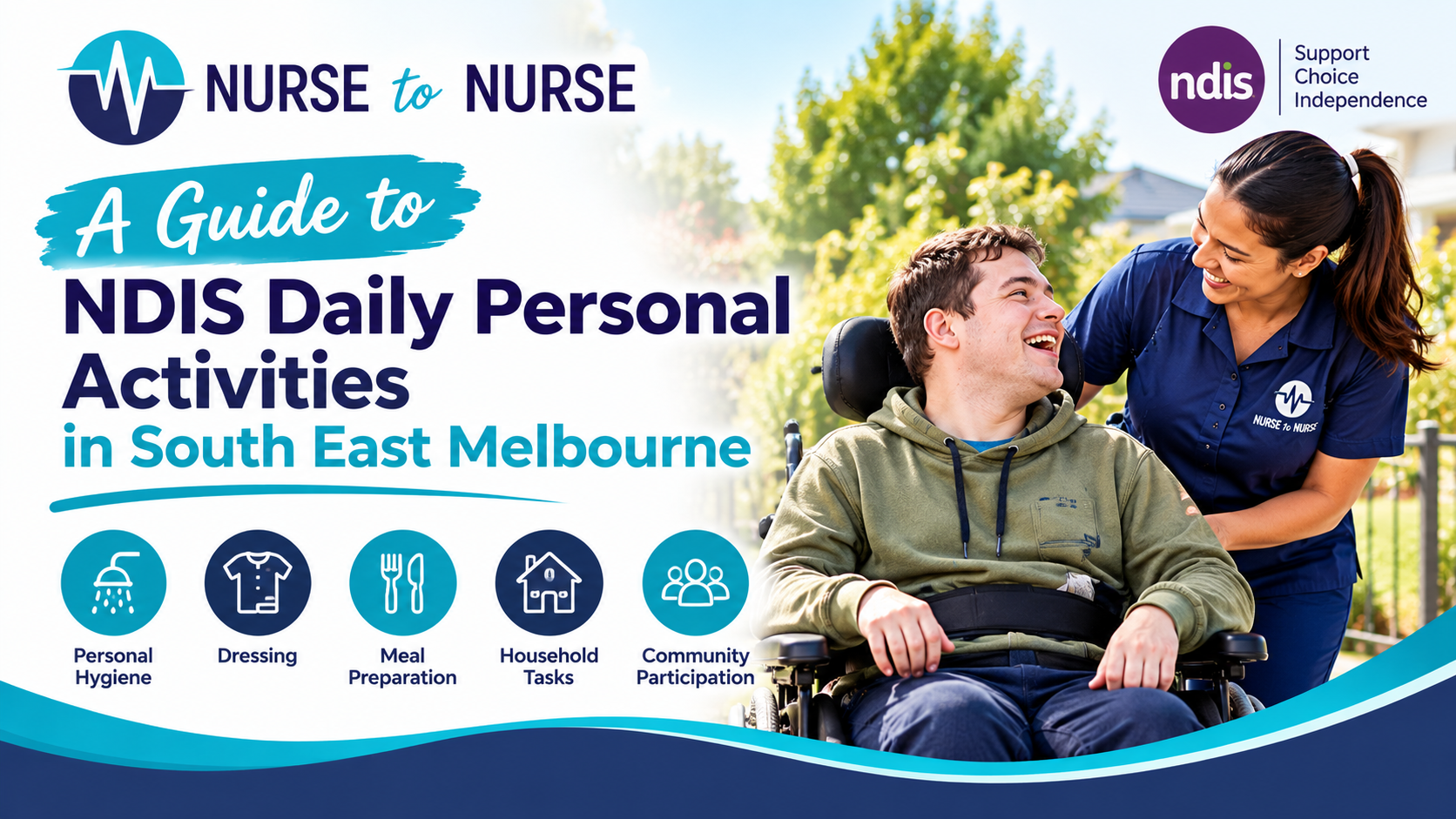
Managing everyday personal tasks can be challenging for people living with disability. Having the right support can help individuals maintain their dignity, make choices about their routines and develop greater confidence in everyday life.
Nurse to Nurse provides person-centred support for individuals seeking NDIS Daily Personal Activities in South East Melbourne. Our approach focuses on understanding each person’s needs, preferences and goals while supporting them to participate in everyday activities as independently as possible.
From personal care and self-care routines to community participation and social activities, the right support can make everyday life more manageable and meaningful.
What Are NDIS Daily Personal Activities?
NDIS Daily Personal Activities generally relate to assistance with everyday personal tasks that a participant may need support to complete.
Depending on an individual’s circumstances and goals, Assistance with Daily Personal Activities may include support with:
- Personal hygiene and grooming
- Showering and dressing
- Toileting
- Eating and drinking
- Mobility around the home
- Maintaining personal routines
- Other everyday personal tasks
The type and level of assistance required can vary significantly between individuals. Some people may require hands-on assistance, while others may need prompting, supervision or support to complete particular tasks safely.
The focus should always be on providing appropriate assistance while respecting the participant’s dignity, privacy and choices.
What Is a Daily Personal Activities Service?
A Daily Personal Activities Service provides support with personal and everyday activities based on an individual’s needs.
At Nurse to Nurse, we understand that personal care is not simply about completing a task. It is about supporting the individual in a way that respects their preferences, routines and independence.
For example, a participant may have their own preferred time and method for getting ready in the morning. Where practical and appropriate, support should work around the person’s established routines rather than taking control of the process.
This person-centred approach can help participants feel respected and involved in their own daily lives.
Assistance with Self-Care Activities NDIS
Assistance with Self-Care Activities NDIS can be an important form of support for participants who require help with personal care and everyday self-care tasks.
Self-care may include activities such as:
- Showering
- Dressing
- Grooming
- Toileting
- Eating and drinking
- Personal hygiene
- Managing everyday personal routines
The amount of support required will depend on the participant’s individual abilities and circumstances.
Where appropriate, support can encourage the participant to complete the parts of a task they can manage independently while providing assistance where it is genuinely needed.
This can help promote confidence and maintain existing abilities.
Supporting Choice and Dignity in Personal Care
Personal care is a highly individual experience. Participants should feel comfortable, respected and involved in decisions about their support.
At Nurse to Nurse, we believe dignity and choice should remain central to personal support.
This can include respecting:
- Personal preferences
- Communication styles
- Cultural considerations
- Established routines
- Privacy and personal boundaries
- Individual choices
- Preferred levels of assistance
Good support is not about doing everything for someone. Where appropriate, it is about helping the individual participate in their own routines and maintain as much independence as possible.
NDIS Daily Personal Activities and Community Participation
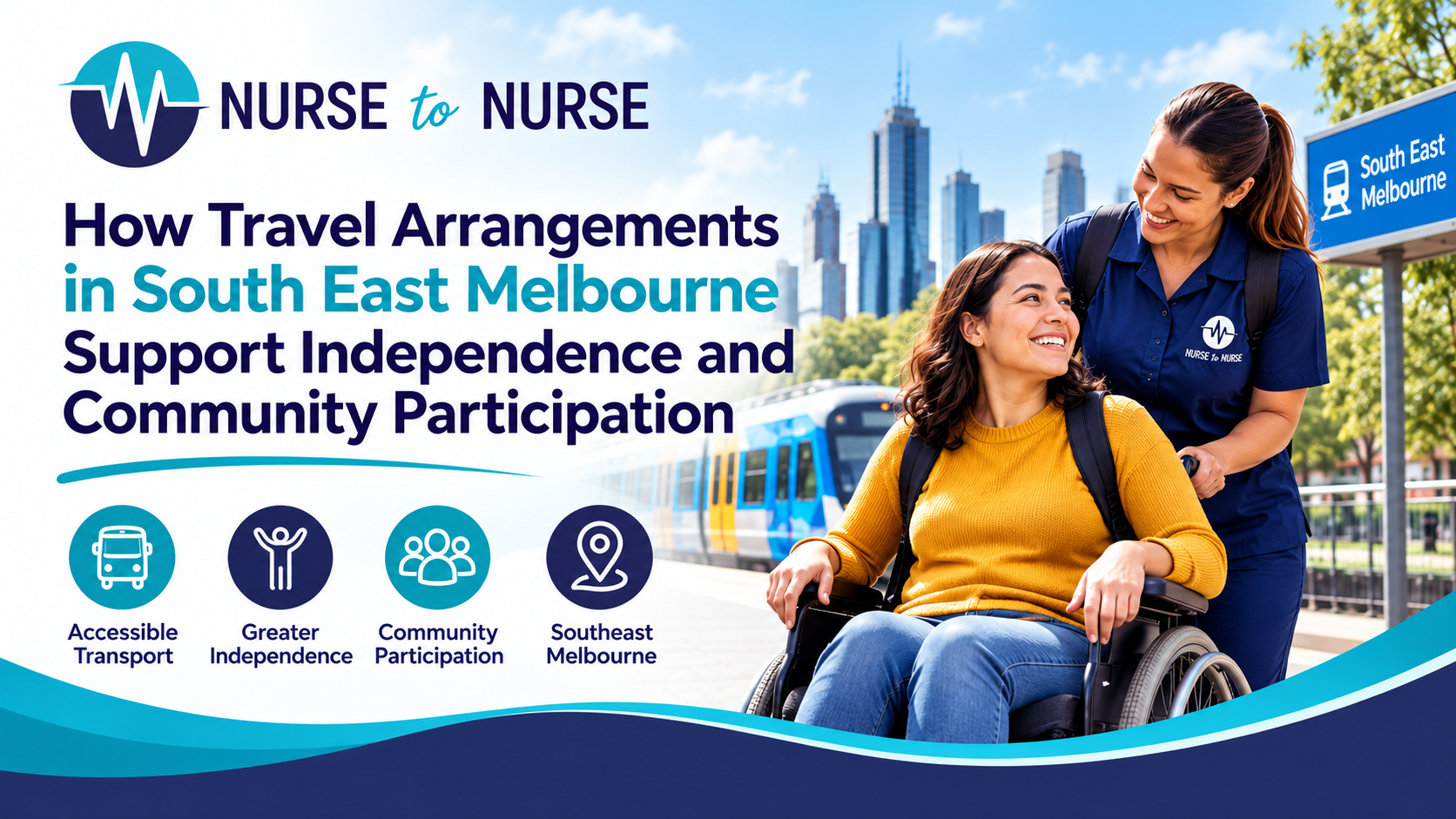
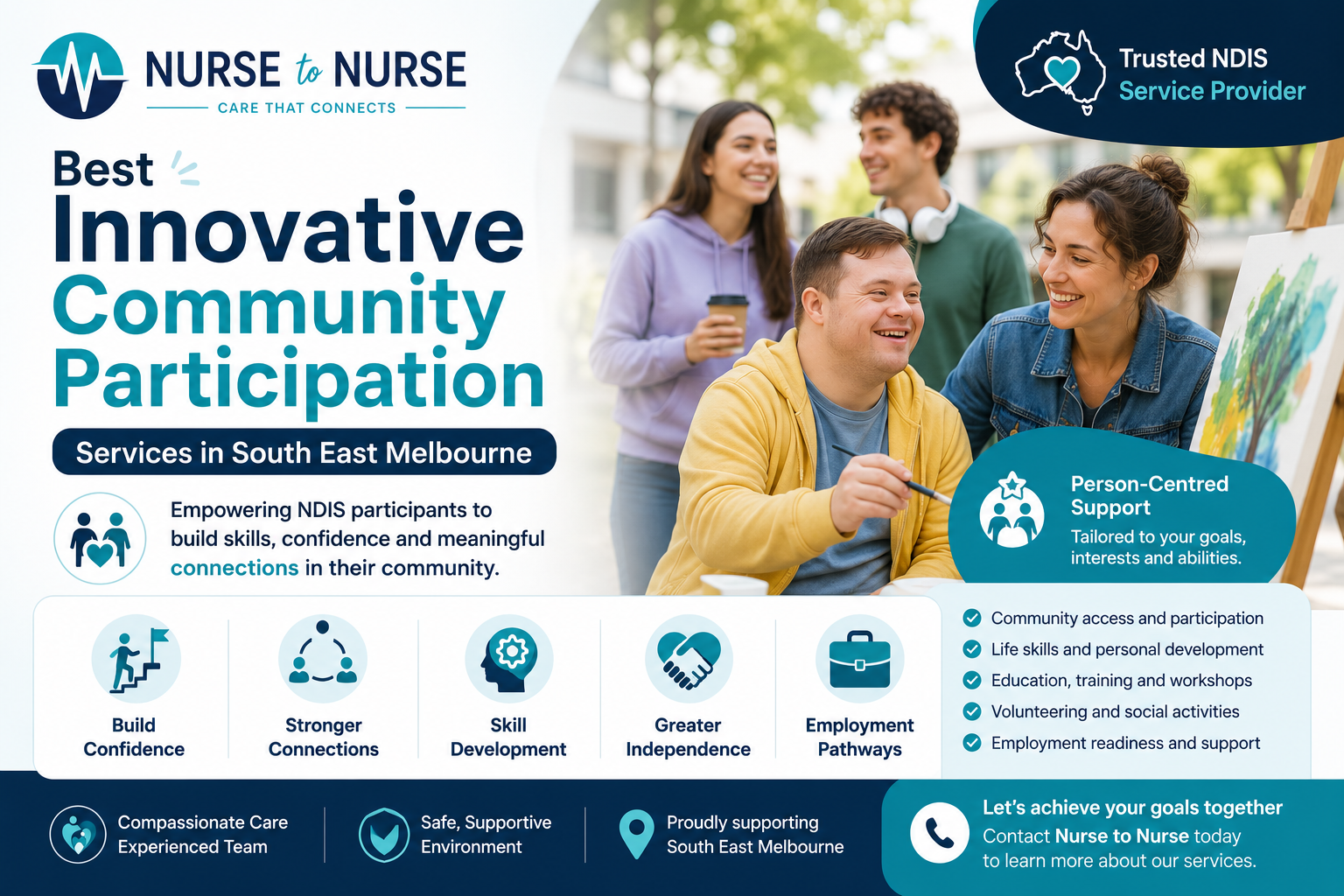
Daily personal support can also contribute to broader goals around Community Participation NDIS.
Being ready for the day, managing personal routines and having appropriate support can help individuals participate in activities outside their home.
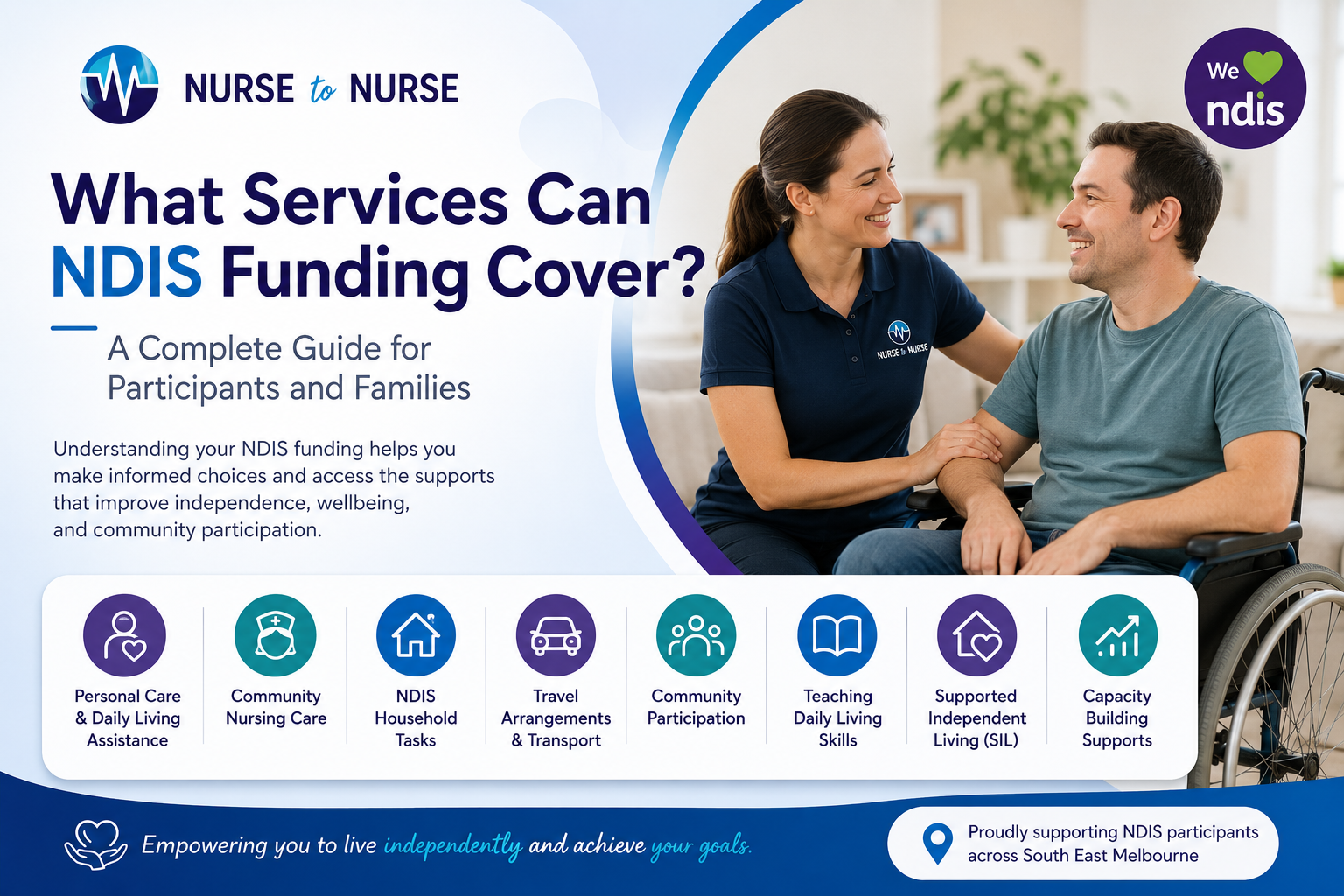
Community participation may include:
- Attending social activities
- Visiting local community facilities
- Shopping
- Attending appointments
- Participating in recreational activities
- Meeting friends
- Attending community events
- Taking part in group programs
For some participants, assistance with personal routines may be an important foundation for engaging more actively in their community.
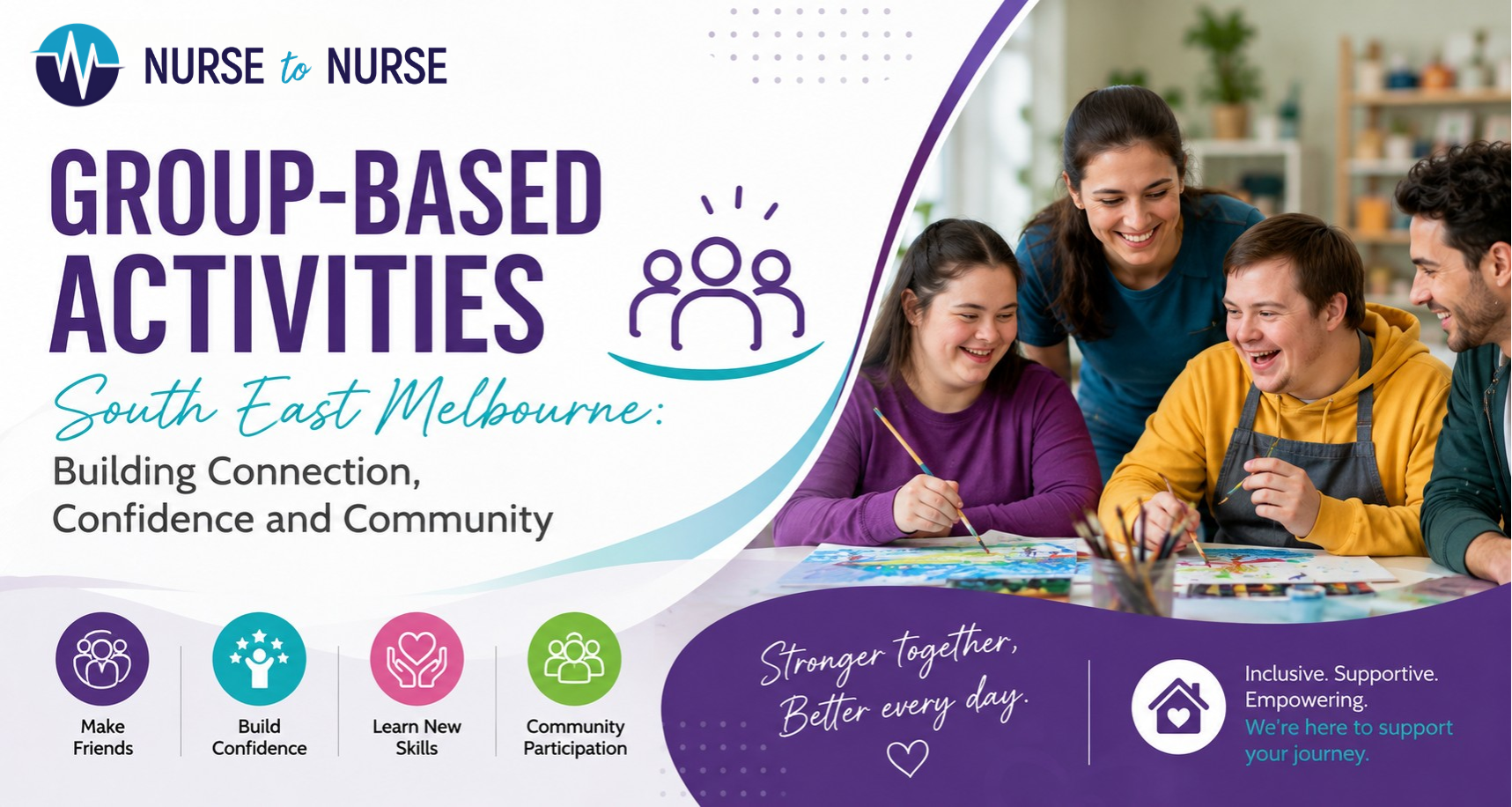
Group-Based Activities South East Melbourne
Social connection is another important part of meaningful community participation.
Group-Based Activities South East Melbourne can provide opportunities for participants to meet others, develop social skills and participate in enjoyable activities.
Depending on individual interests and goals, group activities may include:
- Arts and crafts
- Cooking
- Games
- Fitness and recreation
- Music
- Social groups
- Community outings
- Life-skills activities
For individuals receiving daily personal support, appropriate assistance with preparation and routines may help make participation in these activities more achievable.
However, each participant’s needs and NDIS funding arrangements are different. A participant should confirm that a particular activity or support is appropriate under their individual plan.
How Nurse to Nurse Provides Person-Centred Support
At Nurse to Nurse, our approach begins with understanding the person rather than simply focusing on a list of tasks.
We consider the participant’s:
- Individual goals
- Existing abilities
- Personal preferences
- Communication needs
- Daily routines
- Support requirements
- Safety considerations
- Desired level of independence
Support can then be tailored to the individual’s circumstances.
For example, if a participant can independently complete part of a personal-care routine but requires assistance with another part, support can focus on the specific area where help is needed.
This can encourage participation while maintaining dignity and choice.
Choosing an NDIS Daily Personal Activities Provider in South East Melbourne
When choosing a provider, participants and their families may wish to consider several factors.
Person-centred approach
Look for a provider that listens to the participant and respects their choices and preferences.
Staff experience and training
Ask about staff experience, qualifications and training relevant to the support being provided.
Safety and dignity
Personal care should be delivered respectfully, with appropriate attention to privacy, safety and individual boundaries.
Flexible support
Individual needs can change. Ask how the provider responds when a participant’s circumstances or support requirements change.
Communication
Clear communication between participants, providers and relevant support networks can help ensure that support remains appropriate and consistent.
Is NDIS Funding Available for Daily Personal Activities?
NDIS funding is individualised. Whether a participant can use their NDIS funding for a particular daily personal activity depends on their individual plan, goals, circumstances and applicable NDIS requirements.
The NDIS describes Core supports as funding that can help participants with everyday activities, including assistance with daily personal activities and social and community participation where applicable.
Participants should check their current plan and NDIS guidance, or speak with their plan manager, support coordinator or the NDIS, to confirm what funding arrangements apply to their circumstances.
Frequently Asked Questions
What are NDIS Daily Personal Activities?
NDIS Daily Personal Activities generally involve support with everyday personal tasks, such as personal hygiene, dressing, grooming, eating or other activities where a participant requires assistance.
What does Assistance with Daily Personal Activities include?
It may include support with personal care and everyday routines. The specific assistance provided depends on the participant’s individual needs, goals and circumstances.
What is Assistance with Self-Care Activities NDIS?
It refers to support that may help an eligible participant with self-care tasks such as showering, dressing, grooming, toileting and personal hygiene, subject to their individual NDIS plan and applicable requirements.
Can daily personal support help with Community Participation NDIS?
Daily personal support may help a participant prepare for or participate in community activities, depending on their individual needs and funded supports. Community participation itself is also subject to the participant’s plan and applicable NDIS requirements.
Conclusion
NDIS Daily Personal Activities in South East Melbourne can provide valuable assistance for people who require support with personal care and everyday routines.
At Nurse to Nurse, we focus on respectful, person-centred support that promotes dignity, choice and independence. Assistance with Daily Personal Activities, Assistance with Self-Care Activities NDIS and appropriate support for Community Participation NDIS can help individuals work towards meaningful everyday goals.
From personal routines to Group-Based Activities South East Melbourne, the right support can help participants take part in daily life with greater confidence and independence.
If you are considering a Daily Personal Activities Service, speak with a qualified provider about your individual needs and confirm how the service aligns with your NDIS plan and goals.