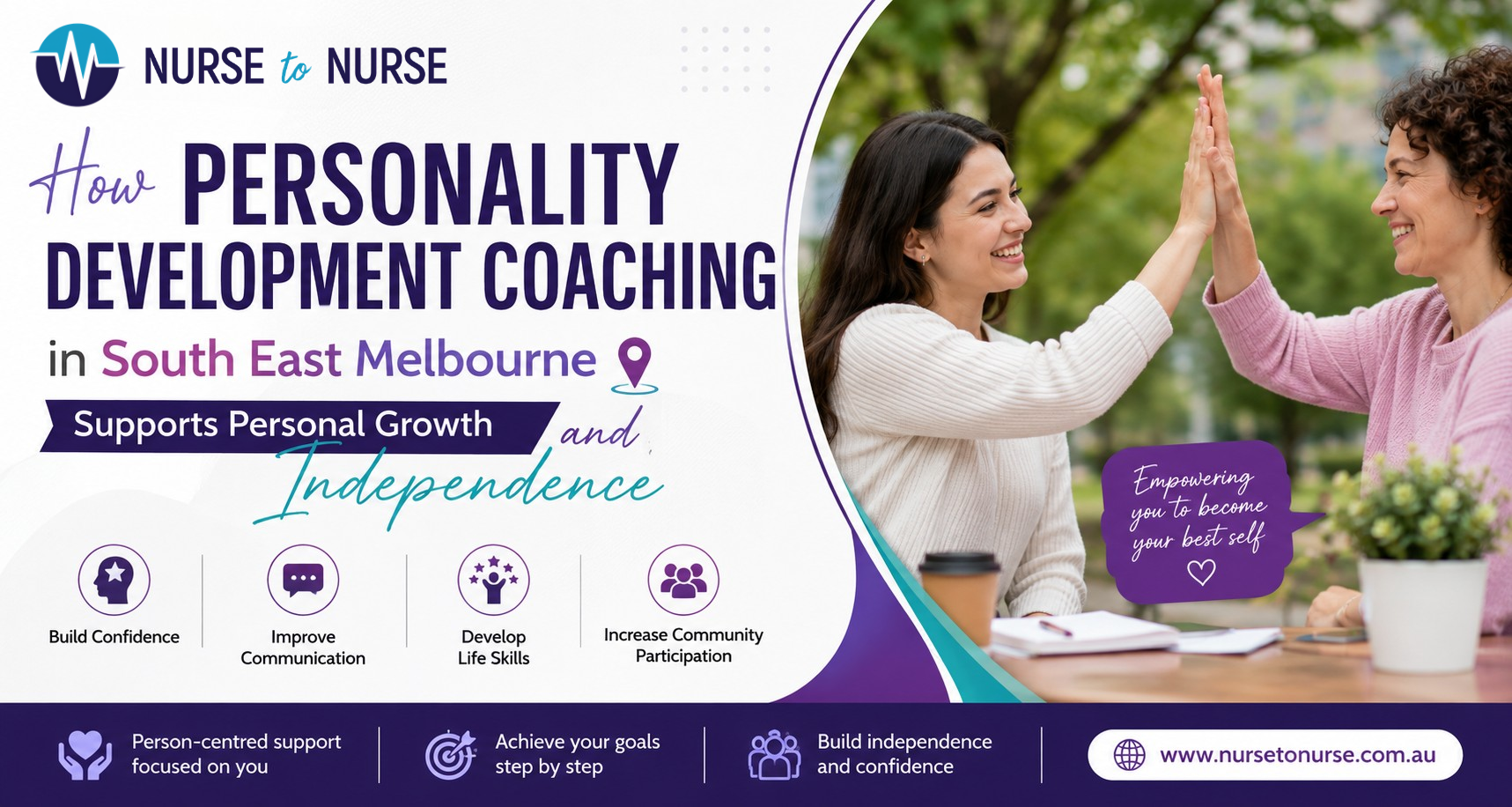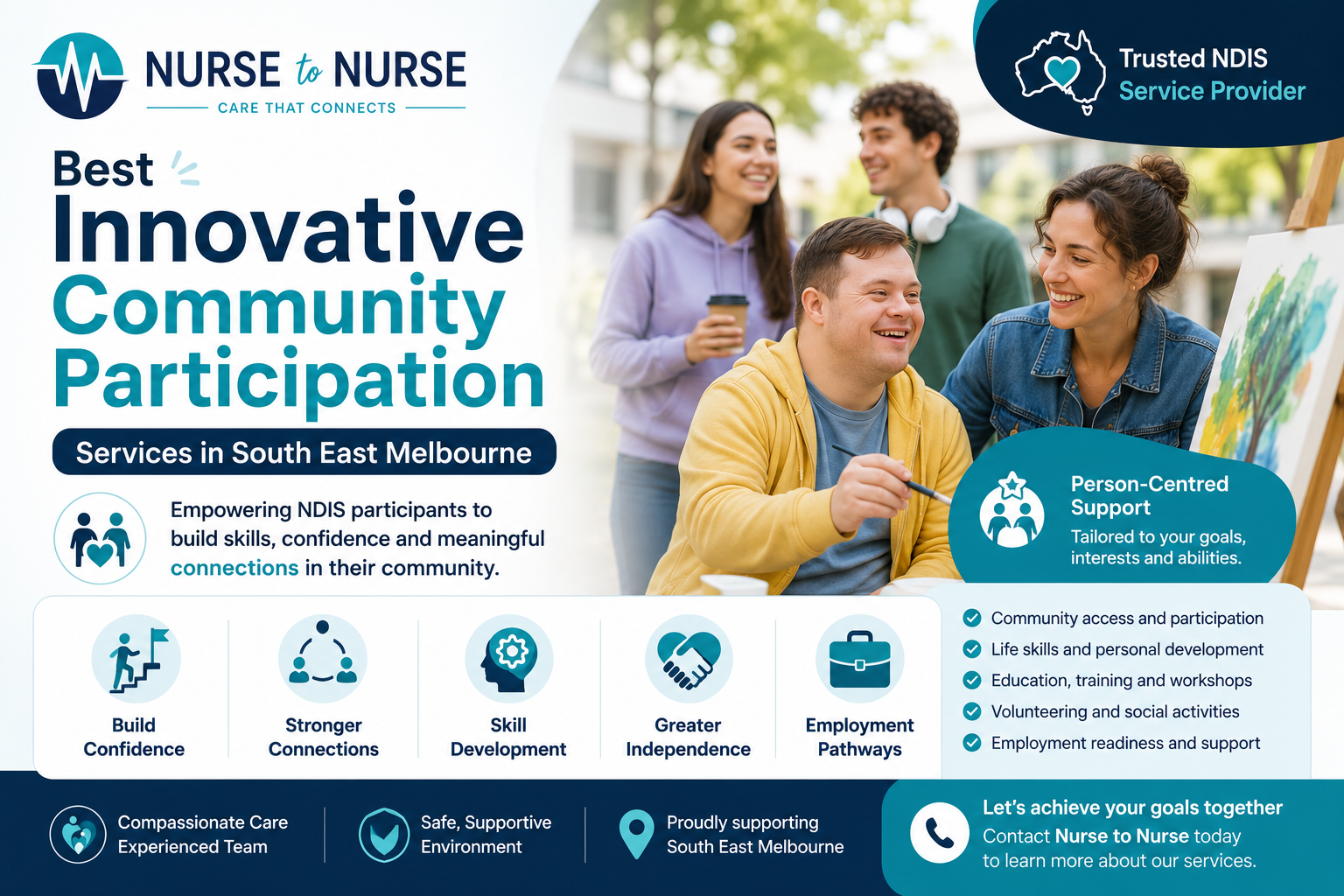
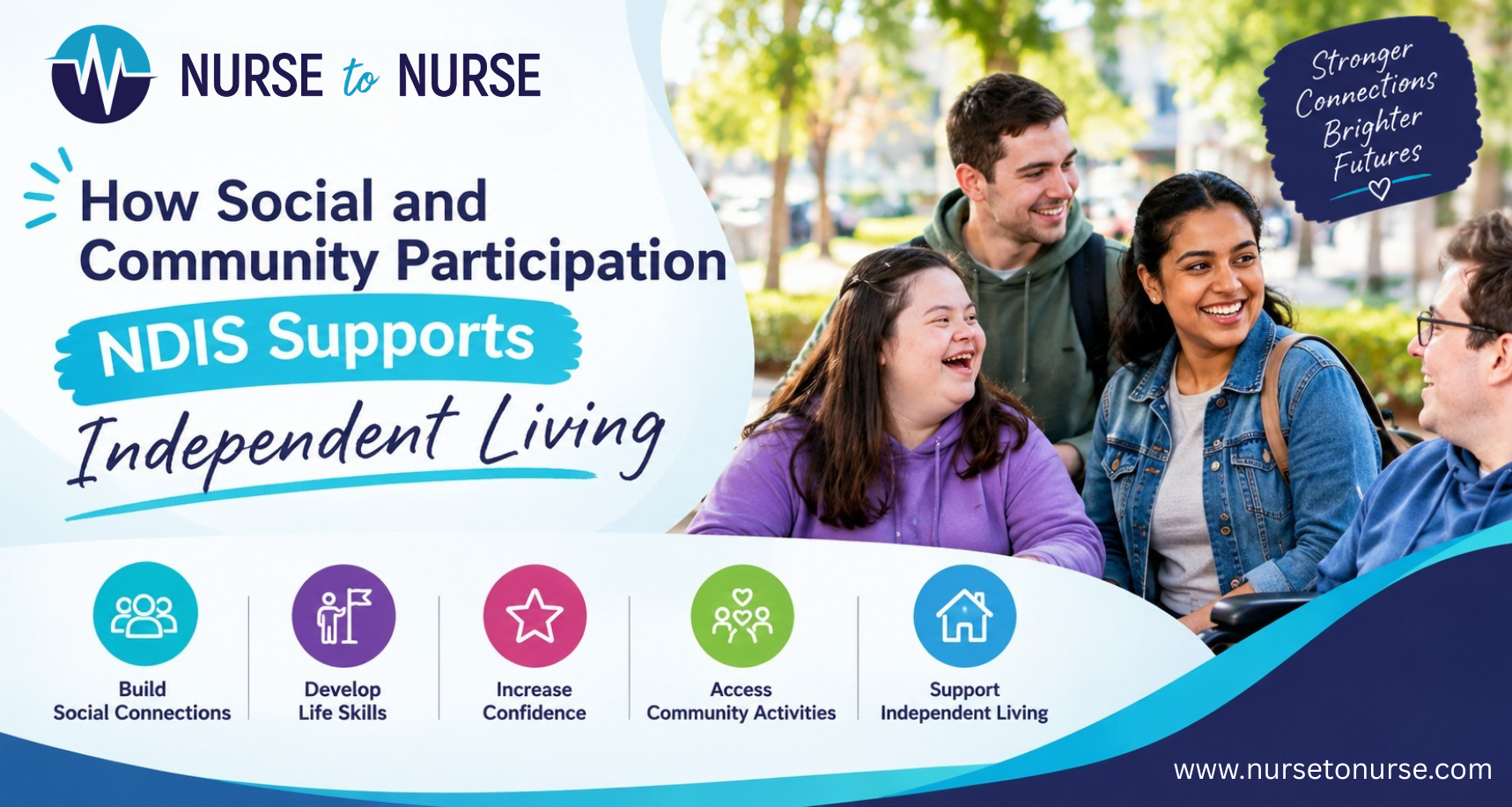
Living independently is about more than managing everyday tasks. It also means having the freedom to make choices, develop meaningful relationships, explore personal interests, and participate in the community. For people living with disabilities, the National Disability Insurance Scheme (NDIS) can help make these opportunities more accessible through appropriate social and community participation supports.
At Nurse To Nurse, we understand the importance of helping people with disabilities build confidence, maintain independence, and enjoy a more connected life. With the right support, participants can take part in community activities, develop practical life skills, and work towards their individual goals.
In this guide, we explore how Social and Community Participation NDIS supports can promote independent living, the activities participants may explore, and how to find suitable support services in South East Melbourne.
What Is Social and Community Participation Under the NDIS?
Social and community participation under the NDIS refers to supports that help eligible participants engage in social, recreational, cultural, educational, and community-based activities. These supports aim to help people build relationships, improve confidence, develop skills, and participate more actively in everyday life.
Depending on an individual’s NDIS plan, goals, and assessed support needs, assistance may include attending community events, joining recreational groups, participating in hobbies, or accessing activities that encourage greater independence.
Community Participation NDIS supports are not the same for everyone. Some participants may need assistance to travel to local activities, while others may benefit from support to communicate with new people, develop routines, or participate safely in unfamiliar environments.
The purpose is to provide appropriate assistance while encouraging participants to make their own decisions and develop skills at their own pace.
How NDIS Social and Community Participation Supports Independent Living
Independent living does not necessarily mean doing everything without assistance. It means having greater control over everyday decisions and receiving the right support to pursue personal goals.
Here are several ways social and community participation can contribute to greater independence.
1. Building Confidence and Self-Esteem
Participating in community activities can help people become more comfortable in different social situations. Whether attending a local event, visiting a library, or joining a group activity, each experience can create opportunities to learn and grow.
Support workers can provide encouragement and practical assistance when needed, helping participants gradually develop confidence in familiar and unfamiliar settings.
Over time, participants may become more comfortable expressing their preferences, communicating with others, and making decisions about how they spend their time.
2. Developing Social Skills and Meaningful Relationships
Social connections play an important role in emotional wellbeing and quality of life. However, people with disabilities may experience barriers to meeting others or maintaining regular social connections.
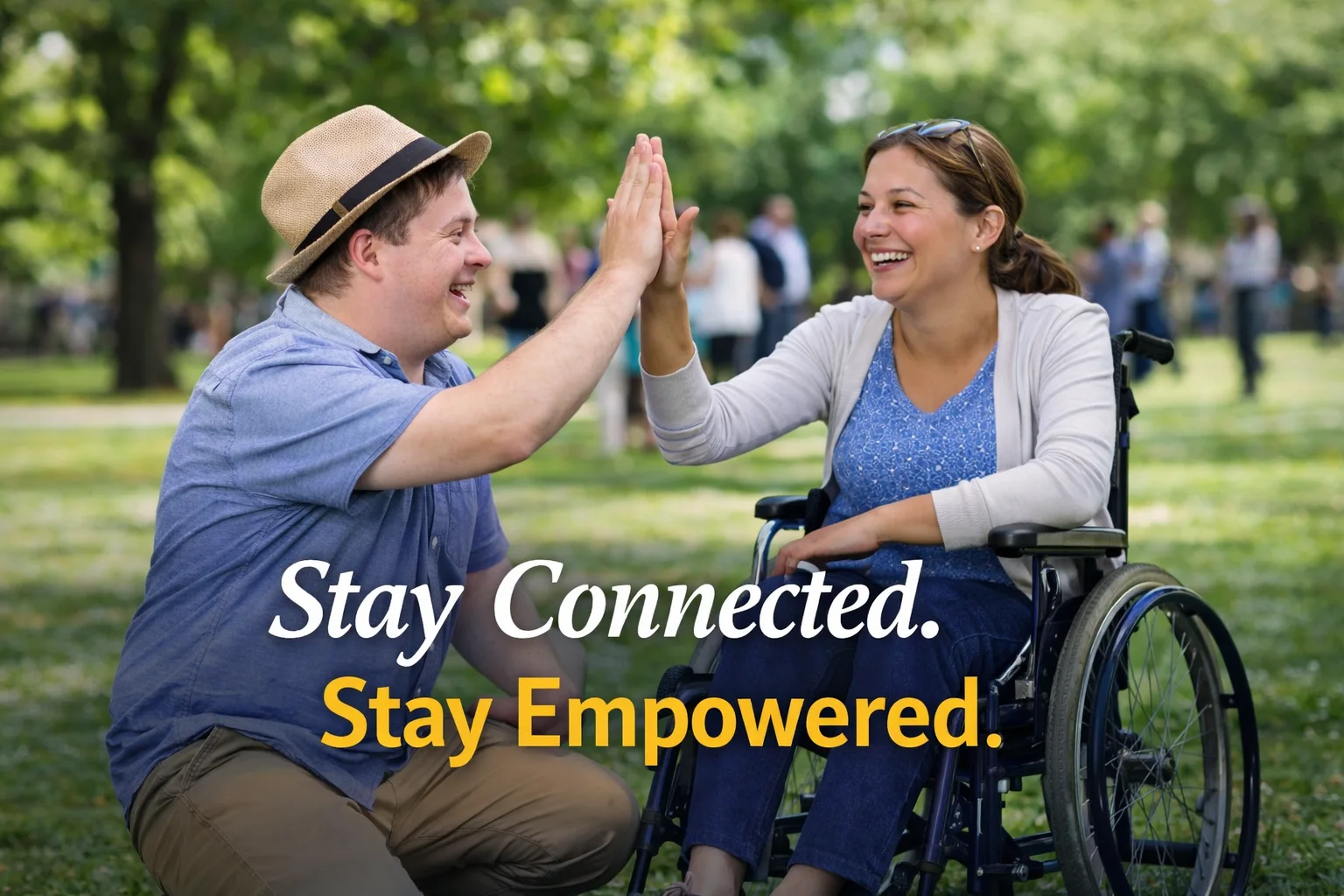
Community participation can create opportunities to build friendships, practise communication skills, and connect with people who share similar interests.
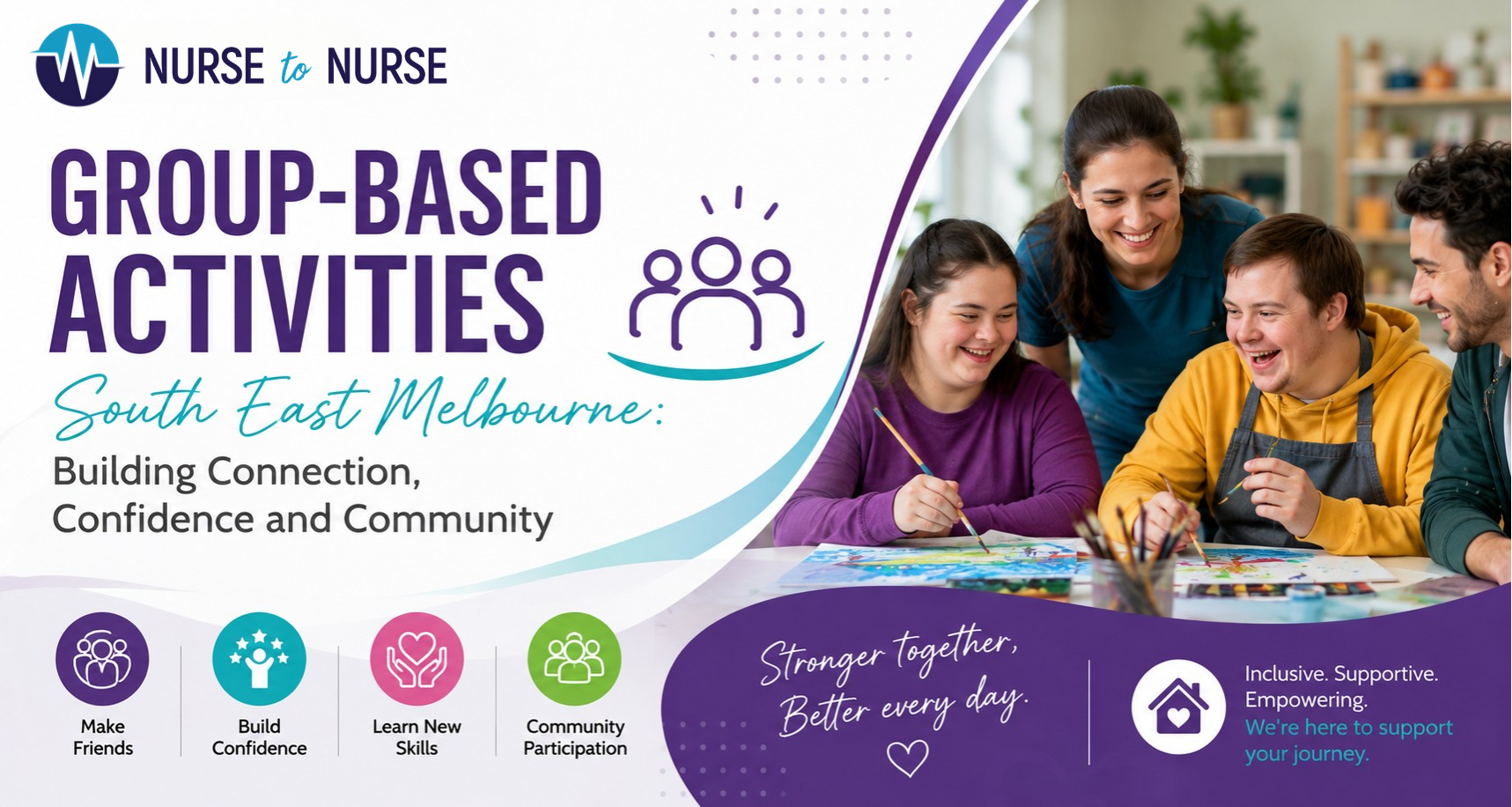
Activities such as art classes, sports groups, community gatherings, and hobby clubs can encourage interaction in welcoming environments. With appropriate support, participants can explore their interests and develop relationships at a comfortable pace.
3. Improving Everyday Life Skills
Community activities can also provide practical opportunities to develop skills that support independent living.
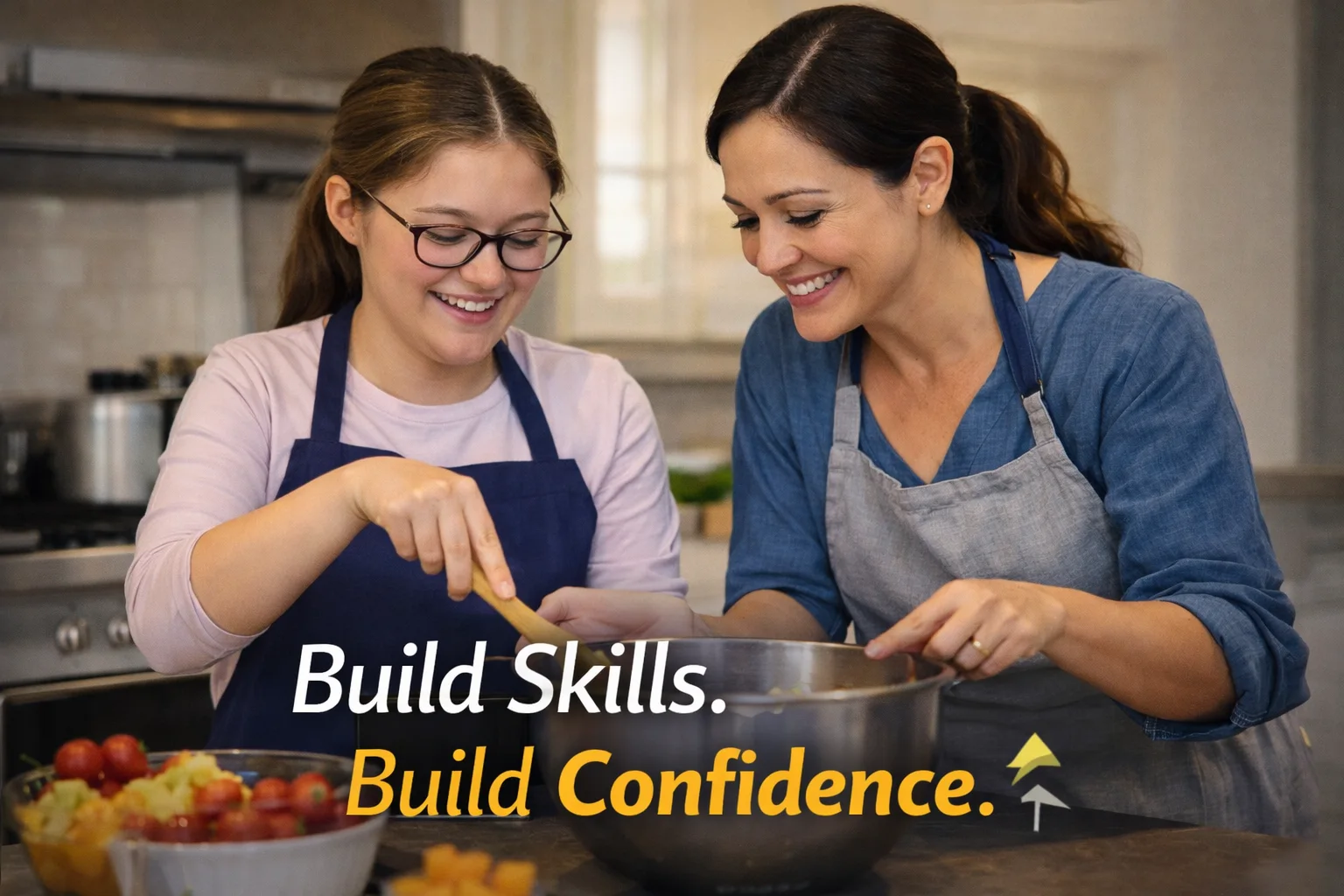
For example, participants may practise planning an outing, managing a shopping list, following a public transport route, or communicating their needs when accessing local services.
These experiences can help participants become more familiar with everyday tasks and develop problem-solving skills.
The level of assistance should reflect each participant’s abilities, preferences, and goals. The focus is on supporting independence rather than unnecessarily doing tasks on someone’s behalf.
4. Encouraging Choice and Decision-Making
A key part of independent living is having control over personal choices.
Social and community participation supports can help participants explore activities that reflect their interests, cultural background, routines, and aspirations.
Participants may choose to attend a community event, learn a new skill, join a recreational group, or spend time in a local park.
Support workers can help make these activities accessible while respecting each person’s preferences, privacy, and right to make decisions.
5. Supporting Physical and Emotional Wellbeing
Taking part in suitable community activities can encourage movement, social interaction, and a more varied daily routine.
Depending on individual interests and abilities, participants may enjoy walking groups, gardening, swimming, creative activities, or social outings.
Regular opportunities to leave the home, explore interests, and connect with others may also help reduce feelings of isolation.
Activities should always be chosen according to individual needs, accessibility requirements, and personal comfort.
Community Participation Activities South East Melbourne
South East Melbourne offers a range of community environments where NDIS participants can explore interests, develop skills, and connect with others.
The most suitable activities depend on individual goals, mobility, preferences, and available support arrangements.
Here are some examples of Community Participation Activities South East Melbourne residents may consider.
Recreational and Leisure Activities
Recreational activities can provide enjoyable opportunities to develop confidence and establish a regular routine. Options may include visiting parks, participating in accessible sports, attending community festivals, or joining local hobby groups.
These experiences allow participants to explore their interests while connecting with others in their local area.
Arts, Crafts, and Creative Workshops
Creative activities can encourage self-expression, concentration, and social interaction. Depending on local availability, participants may explore painting, music, craft workshops, photography, or other creative programs.
Such activities can be particularly valuable for people who prefer structured, interest-based social settings.
Shopping and Everyday Community Outings
Visiting shopping centres, markets, libraries, and local community facilities can help participants practise everyday skills.
With suitable support, participants may work towards goals such as planning an outing, communicating with service staff, making purchases, or navigating public spaces.
These activities can help build familiarity with the local community and support greater confidence over time.
Community Groups and Social Events
Local social groups and community events can provide opportunities to meet new people and develop lasting connections.
Depending on availability and personal interests, participants might explore cultural events, inclusive group activities, educational workshops, or community gatherings.
When choosing an activity, consider accessibility, transport arrangements, group size, and the level of support required.
How to Choose the Right NDIS Community Participation Support
Finding suitable support involves understanding the participant’s goals and identifying services that align with their individual needs.
Consider the following factors when comparing providers.
- Individualised support: Choose a provider that listens to the participant and respects their choices, interests, and routines.
- Qualified and suitable staff: Ask about staff experience, relevant training, and how the provider supports participants with different needs.
- Flexible activity planning: Look for support arrangements that reflect personal goals rather than offering the same activities to everyone.
- Safety and accessibility: Discuss mobility requirements, communication preferences, risk management, and any assistance needed during outings.
- Progress towards goals: Review whether activities help the participant build skills, confidence, social connections, or other outcomes that matter to them.
It is also important to understand how the proposed supports fit within the participant’s NDIS plan and applicable funding rules. Funding eligibility depends on the participant’s circumstances, plan arrangements, and the relevant NDIS requirements.
The Role of Community Nursing Care in South East Melbourne
Some NDIS participants have health-related needs alongside their social and community participation goals. Depending on their circumstances, they may benefit from appropriate nursing support as part of their broader care arrangements.
Searching for the Best Community Nursing Care South East Melbourne can be a useful starting point for individuals and families seeking support with health needs in the community.
Community nursing may involve clinical care, health monitoring, wound care, medication-related support within the nurse’s scope of practice, or assistance with managing specific health conditions, depending on the service and the person’s needs.
Community nursing and social participation serve different purposes, but they may complement each other when appropriately coordinated. For example, a participant with relevant clinical needs may require nursing support alongside separate assistance to access community activities.
When choosing a community nursing provider, consider the nurses’ qualifications, relevant experience, communication practices, and ability to coordinate care appropriately.
It is important to distinguish clinical nursing services from non-clinical community participation supports. The services available and their funding eligibility will depend on individual needs and applicable NDIS requirements.
How Nurse To Nurse Can Help
At Nurse To Nurse, we recognise that meaningful community participation starts with understanding the individual. Every participant has different goals, interests, abilities, and support requirements.
Our approach focuses on helping individuals and families explore suitable support options that align with personal circumstances and independence goals.
Conclusion
Social and community participation can play an important role in helping NDIS participants build confidence, develop practical skills, establish meaningful relationships, and become more involved in everyday community life.
From recreational activities and creative workshops to everyday outings and social groups, the right support can help individuals work towards greater independence while maintaining control over their choices.
For participants and families in South East Melbourne, selecting appropriate supports starts with understanding personal goals, accessibility requirements, and available services.
Nurse To Nurse encourages participants to explore options that respect their preferences and support their individual aspirations. With thoughtful planning and suitable assistance, community participation can become a valuable part of a more connected and independent life.
Frequently Asked Questions
1. What is Social and Community Participation under the NDIS?
It refers to eligible supports that help NDIS participants engage in social, recreational, educational, and community activities in line with their goals and funding arrangements.
2. What are some examples of NDIS community participation activities?
Examples may include visiting local attractions, joining hobby groups, attending community events, participating in accessible recreation, and practising everyday skills through community outings.
3. Can NDIS community participation support help with independent living?
Yes. Depending on individual goals and support needs, it can help participants develop confidence, practise everyday skills, build social connections, and make more independent choices.
4. How can I find community participation activities in South East Melbourne?
Explore local community centres, recreational programs, accessible activities, and suitable NDIS providers. Consider accessibility, transport, individual interests, and the level of support required.
5. Is community nursing included in NDIS community participation?
Community nursing is a separate type of support involving clinical care where appropriate. It may complement community participation arrangements, but eligibility and funding depend on individual circumstances and applicable NDIS rules.