Independent living is about having the confidence, skills, and support needed to make everyday decisions and participate more actively in daily life. For people with disabilities, developing practical life skills can make a meaningful difference in building independence, improving confidence, and achieving personal goals.
Life skills development focuses on helping individuals learn and strengthen essential everyday abilities, from preparing meals and maintaining personal hygiene to managing household responsibilities and communicating with others. With the right guidance and personalised support, people with disabilities can develop greater control over their routines and enjoy a more independent lifestyle.
At Nurse to Nurse, we recognise the importance of individual needs, abilities, and personal goals when supporting people through daily living and life skills development.
What Is Life Skills Development?
Life skills development involves learning practical abilities that help individuals manage everyday activities more confidently. These skills can be particularly valuable for people with disabilities who may require additional guidance or assistance with certain daily tasks.
Some important areas of life skills development include:
- Personal care: Developing routines for bathing, dressing, grooming, and maintaining personal hygiene.
- Meal preparation: Learning to prepare simple meals, understand food safety, and make healthy food choices.
- Household management: Practising cleaning, laundry, organising personal spaces, and completing household tasks.
- Communication skills: Building confidence when expressing needs, sharing opinions, and interacting with others.
- Money management: Understanding budgeting, shopping, and handling everyday expenses.
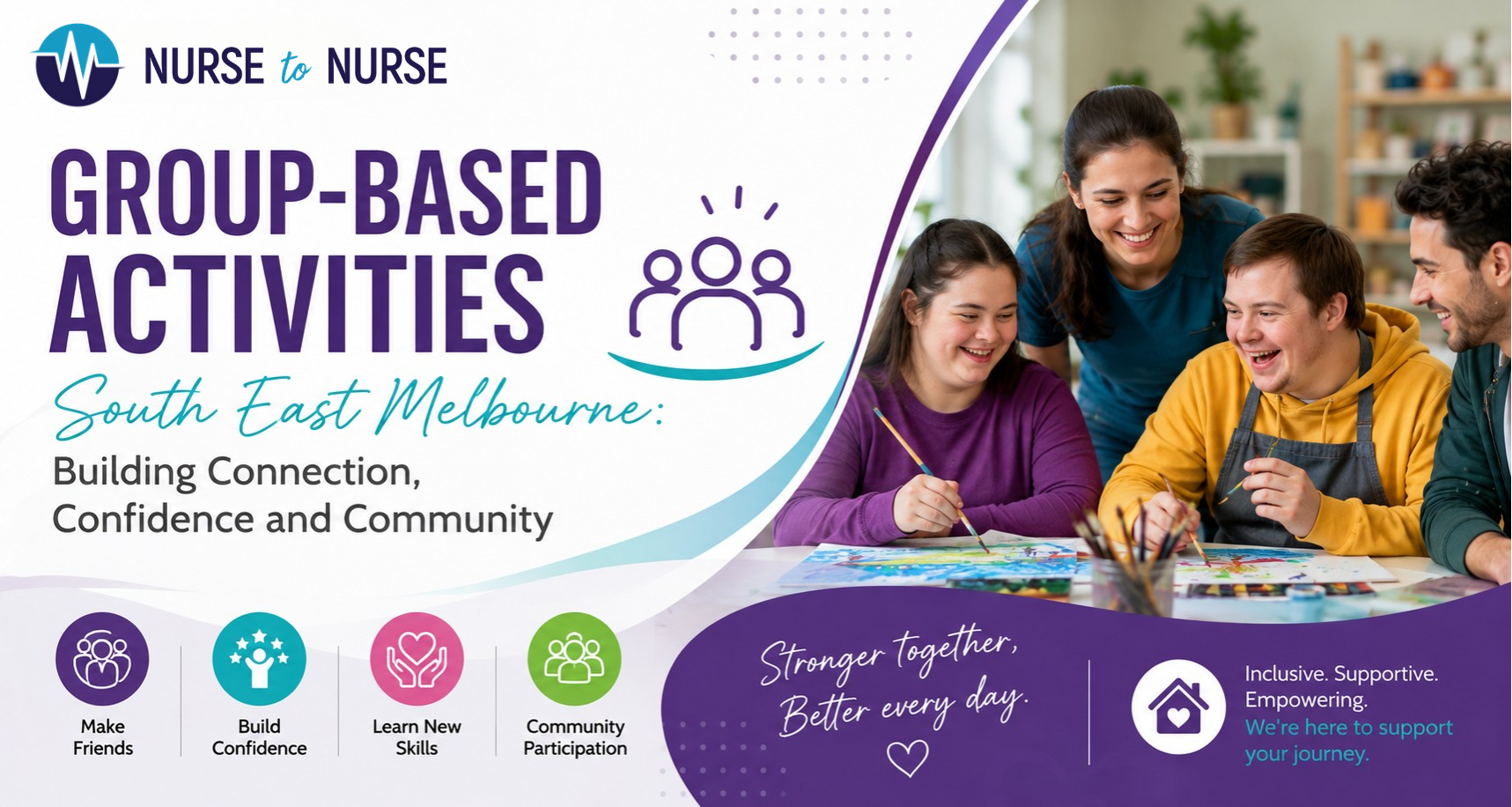
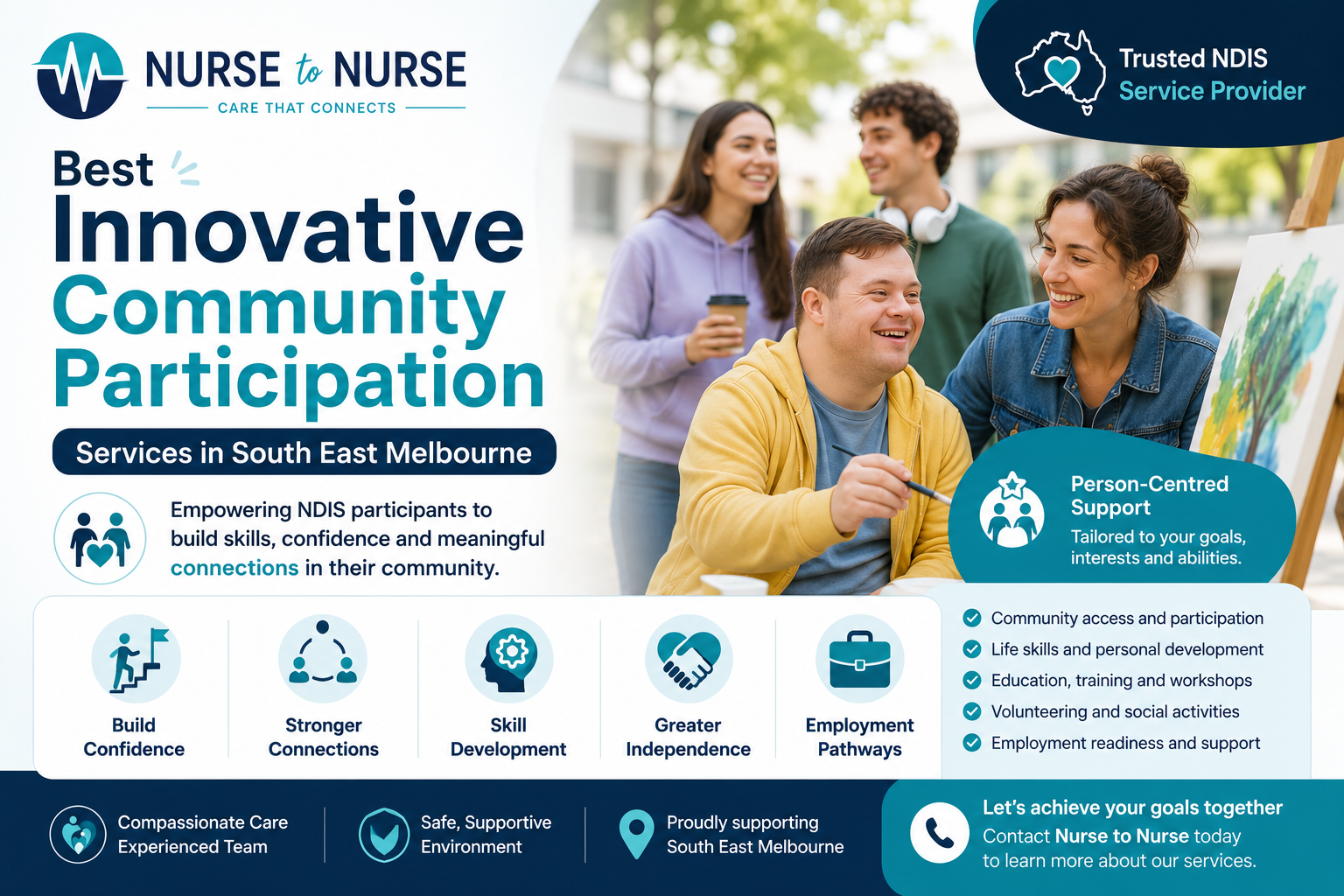
- Community participation: Developing the confidence to access local facilities, attend appointments, and participate in social activities.
These abilities can help individuals become more comfortable with everyday responsibilities while encouraging greater independence.
How Teaching Daily Living Skills Builds Confidence and Independence
Teaching Daily Living Skills is an important part of supporting people with disabilities to achieve their personal goals. Rather than simply completing tasks for someone, effective support encourages individuals to learn, practise, and gradually develop their abilities.
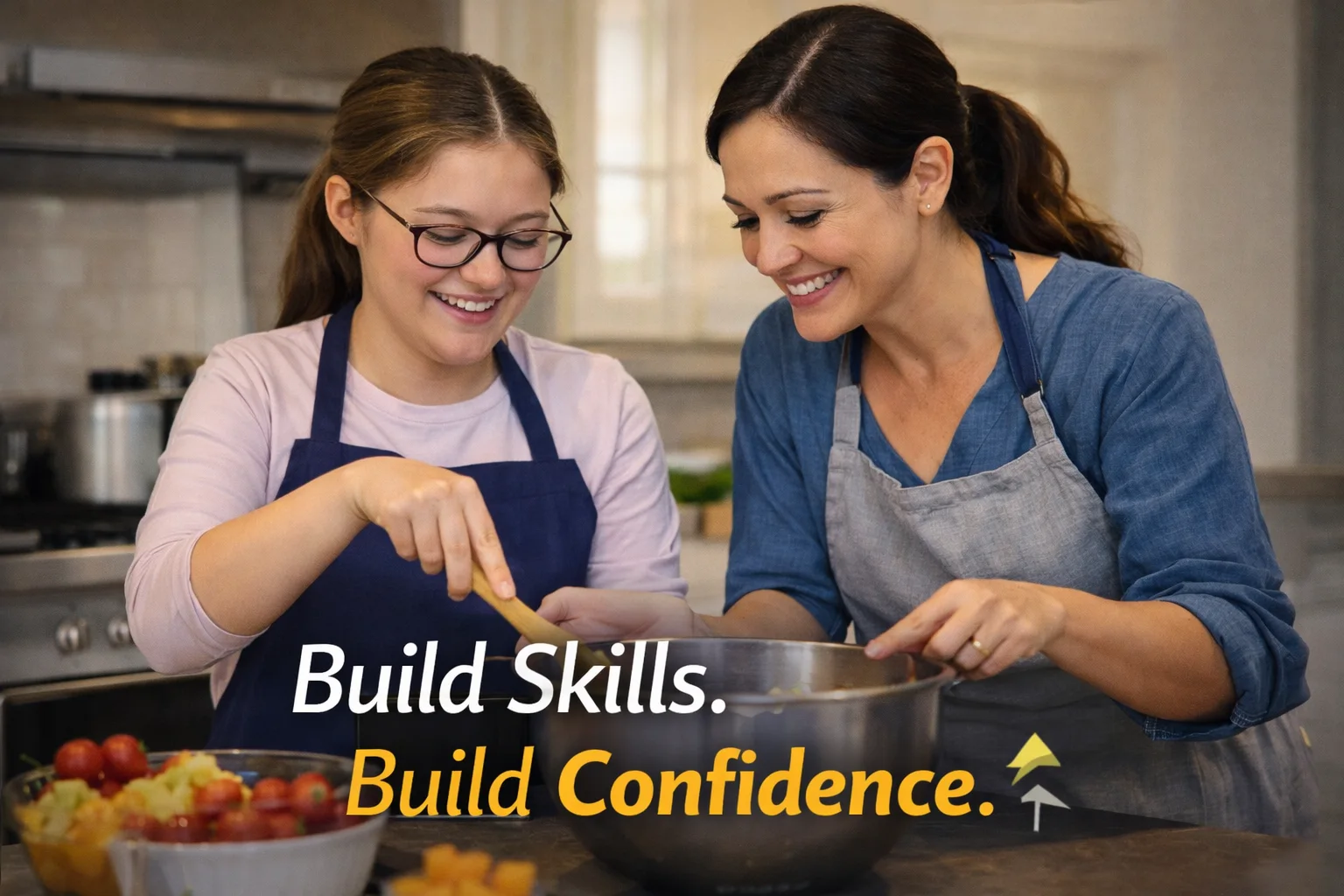
For example, a person who finds meal preparation challenging may benefit from learning how to organise ingredients, follow simple recipes, and use kitchen equipment safely. Similarly, someone who needs assistance with household activities can practise completing manageable tasks with appropriate guidance.
The benefits include:
1. Greater confidence: Learning to complete everyday activities can help individuals feel more capable and confident in their abilities.
2. Improved decision-making: Practising daily tasks encourages individuals to make choices and take greater responsibility for their routines.
3. Increased independence: Developing practical skills can reduce reliance on others for activities that individuals may eventually manage themselves.
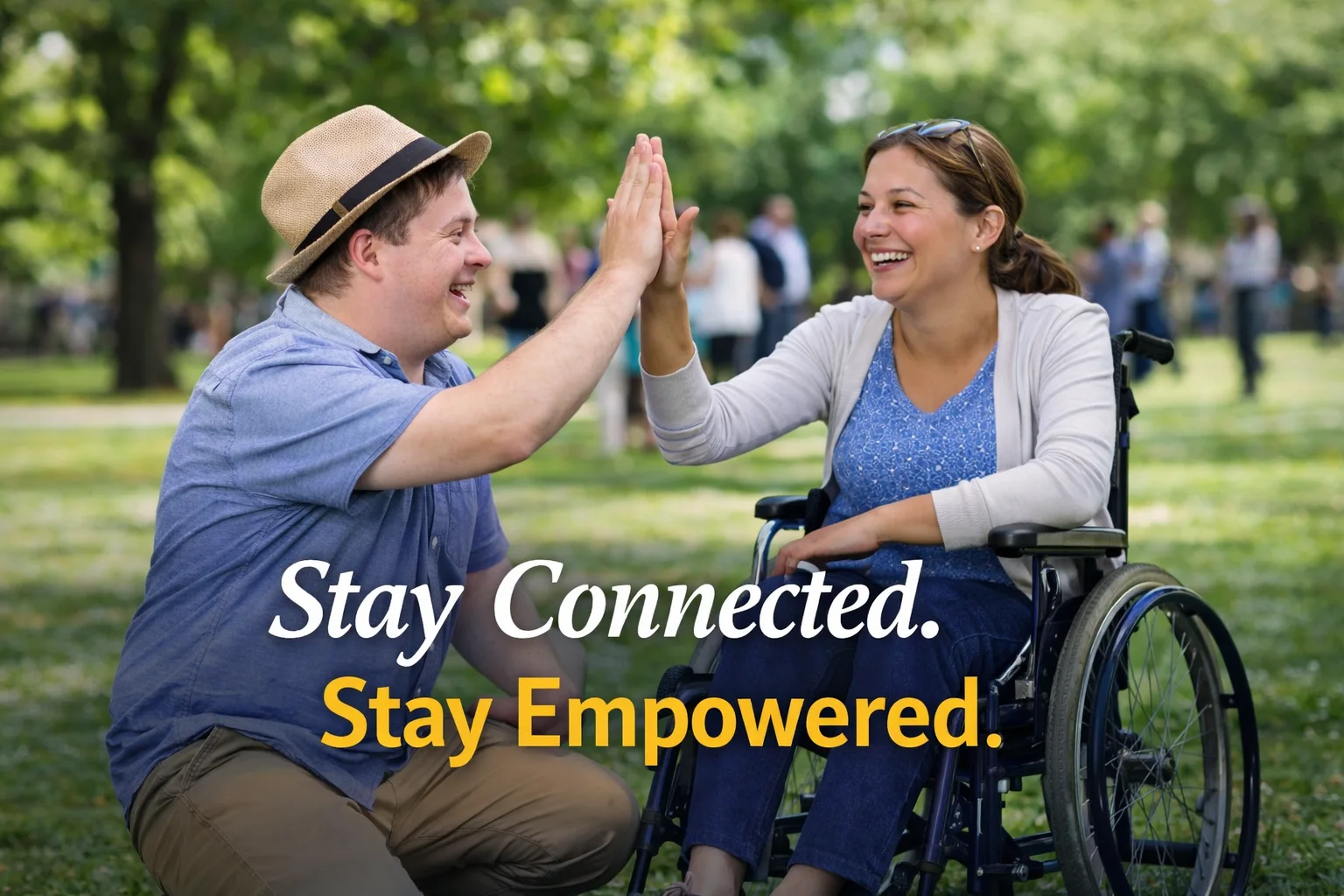
4. Better social participation: Communication and community access skills can make it easier to connect with others and participate in local activities.
5. Improved quality of life: Having greater control over everyday routines can contribute to a stronger sense of achievement, dignity, and personal satisfaction.
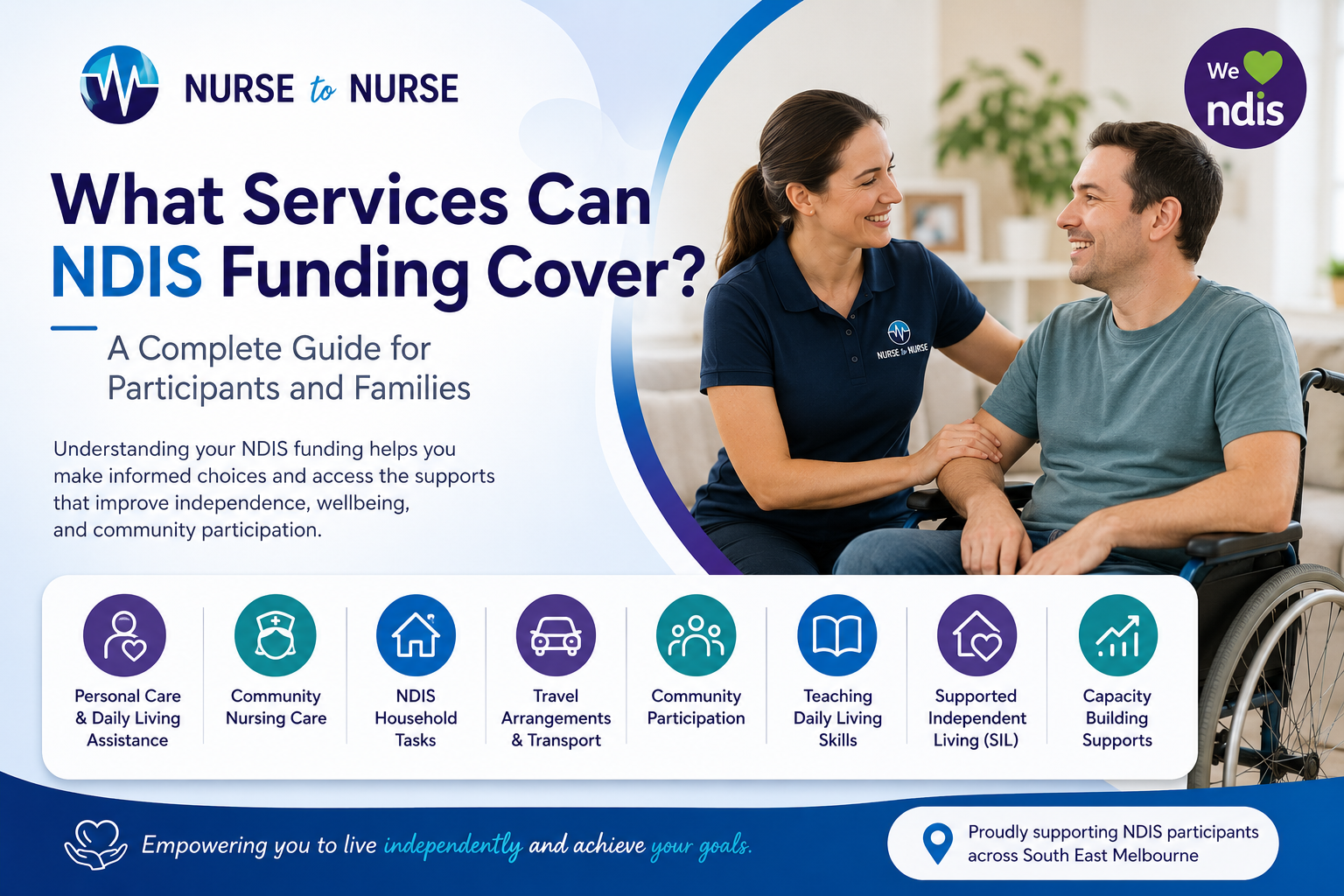
Daily Life Skills Development in South East Melbourne
Access to appropriate support plays an important role in helping people with disabilities develop practical everyday abilities. Daily Life Skills Development in South East Melbourne can provide individuals with opportunities to strengthen their skills through personalised guidance and consistent practice.
Every individual has different strengths, challenges, and aspirations. Therefore, life skills support should be tailored to their abilities and personal circumstances.
For example, some individuals may want to improve their cooking and household management skills, while others may focus on communication, personal organisation, or accessing community activities.
A personalised approach can help individuals:
- Identify their daily living goals.
- Develop practical skills at a comfortable pace.
- Practise everyday activities in familiar environments.
- Build confidence through achievable milestones.
- Strengthen their ability to participate in community life.
At Nurse to Nurse, the focus is on supporting individuals with their daily living and life skills development while respecting their preferences, abilities, and independence.
The Connection Between Personality Development Coaching and Life Skills
Independent living involves more than learning practical household activities. Personal confidence, communication, emotional awareness, and decision-making also contribute to everyday independence.
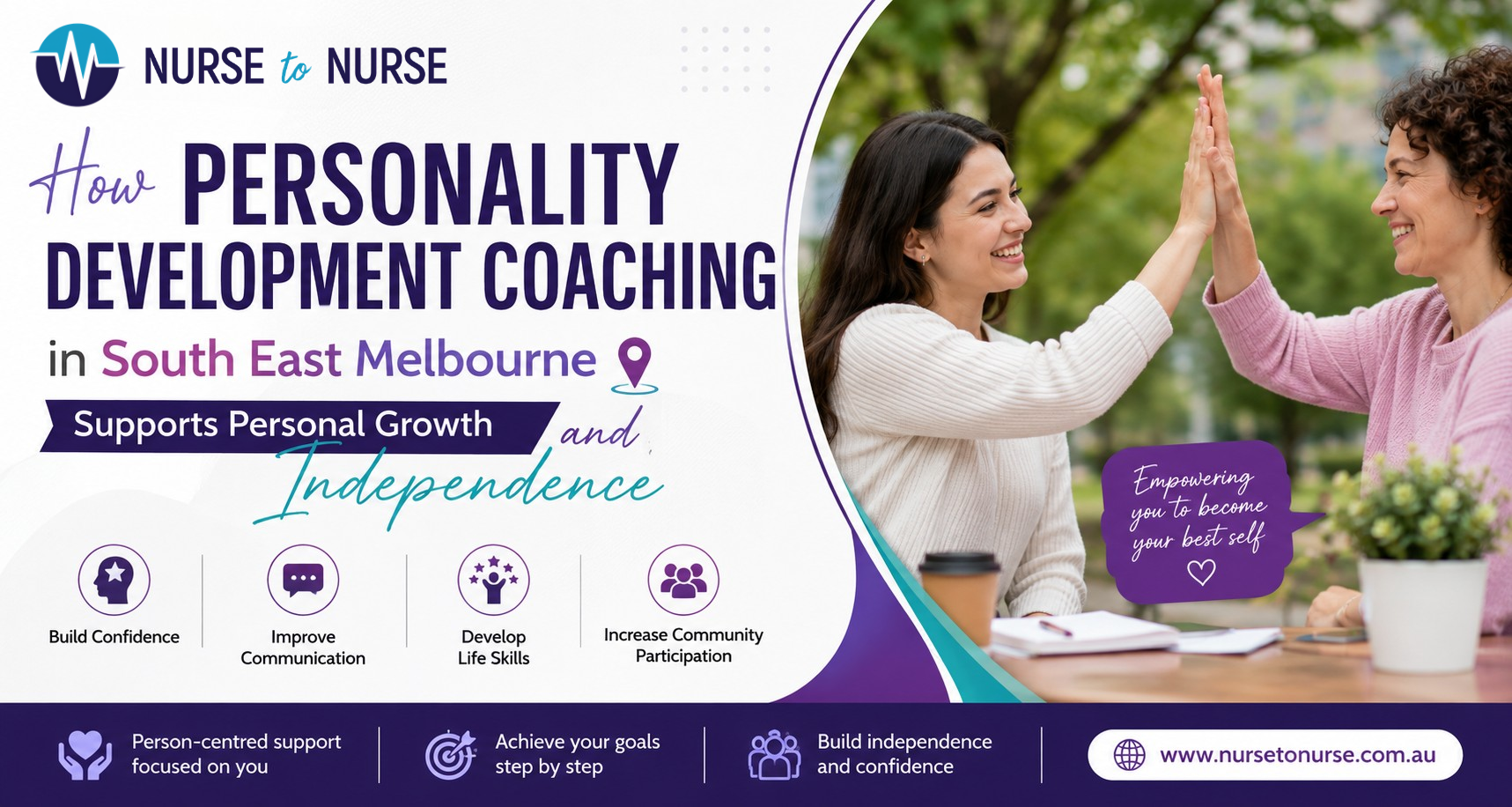
Personality Development Coaching can complement life skills development by encouraging individuals to improve their interpersonal communication, self-expression, confidence, and social interactions.
For people with disabilities, developing these abilities can make everyday situations more manageable. For example, feeling confident when communicating personal needs or asking for assistance can support better interactions with family members, support workers, and the wider community.
Combining practical life skills with personal development can encourage a more holistic approach to individual growth.
The Role of Community Nursing Care and Travel Arrangements
Some individuals may benefit from additional support alongside daily living skills development.
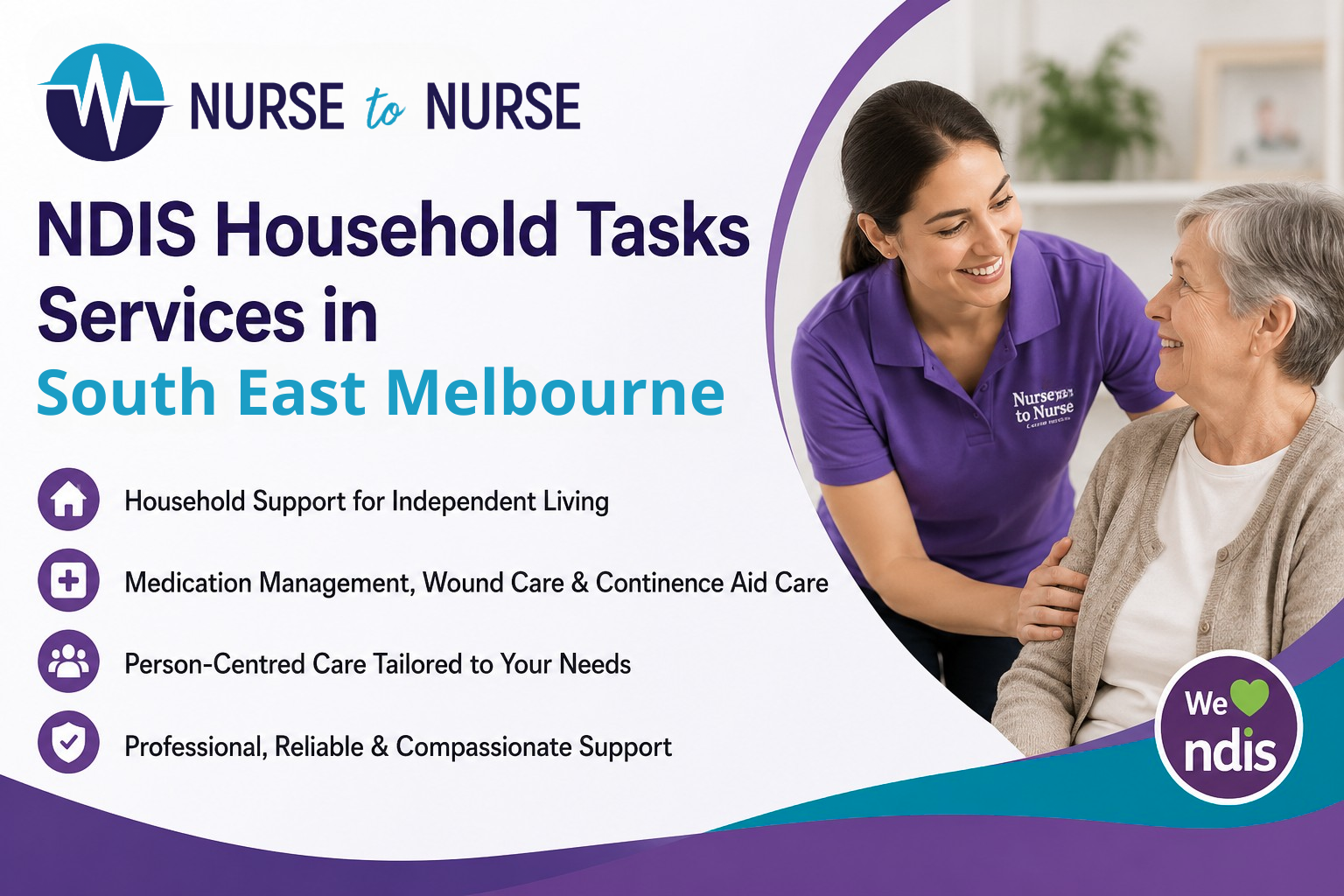
Community Nursing Care can assist eligible individuals with their healthcare needs in a community setting. Depending on individual requirements and the services provided, this may include nursing assessments, health monitoring, and support with appropriate healthcare routines.
Similarly, Travel Arrangements South East Melbourne can be an important consideration for people who experience difficulties accessing appointments, community activities, or essential services.
Appropriate travel and transport support can help individuals attend appointments, participate in social opportunities, and access important community resources.
When practical life skills, healthcare support, and community access work together, individuals can have more opportunities to participate in everyday life.
Why Choose Personalised Life Skills Support?
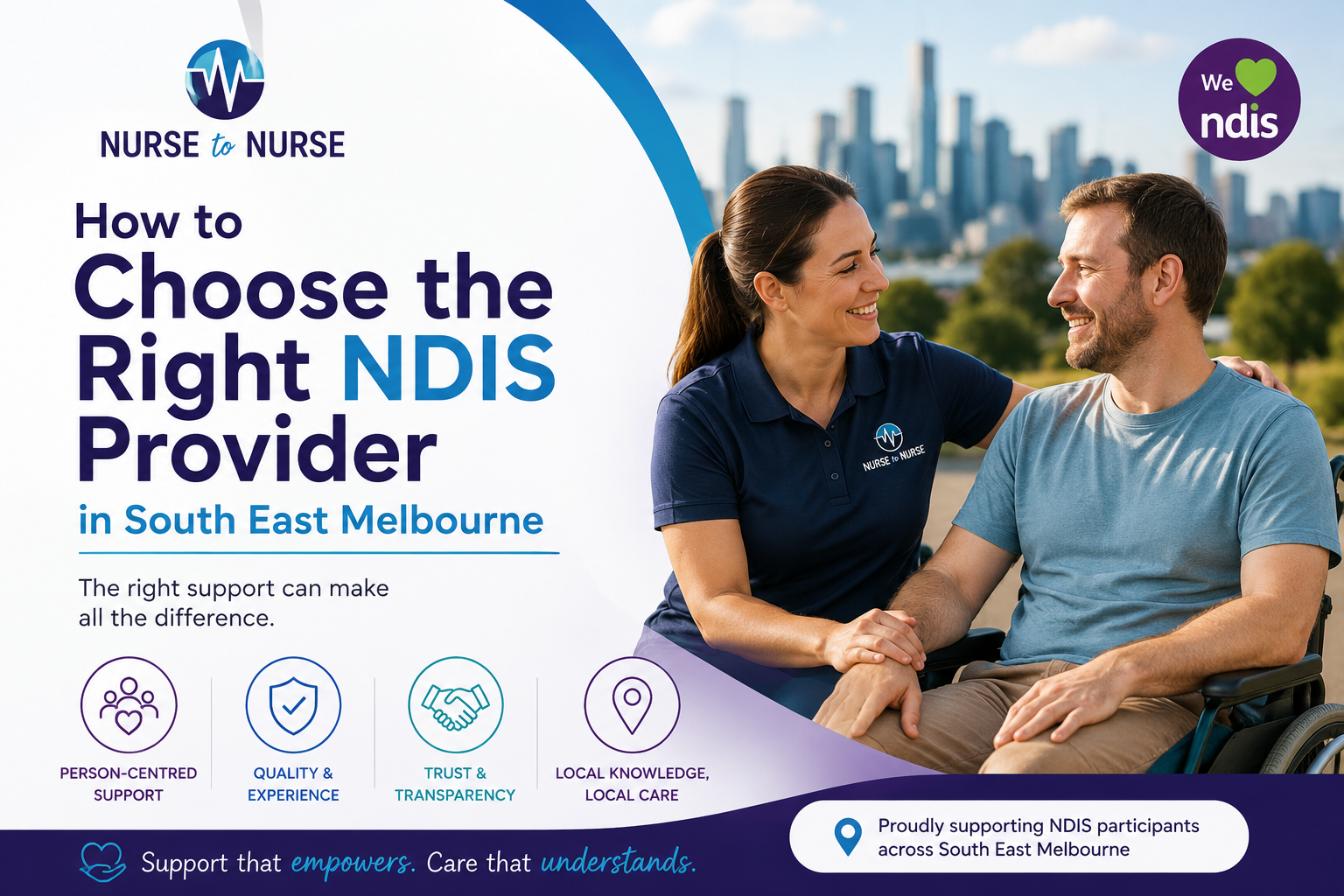
Choosing the right disability support provider is an important step towards achieving meaningful personal goals. Effective support should recognise that independence looks different for everyone.
Look for a provider that:
- Understands individual needs and personal preferences.
- Encourages participation rather than unnecessary dependence.
- Respects dignity, privacy, and personal choices.
- Supports realistic and achievable development goals.
- Communicates clearly with individuals and their support networks.
A supportive and person-centred approach can make the learning process more comfortable, positive, and rewarding.
Build a More Independent Future with Nurse to Nurse
Developing daily living skills is an ongoing journey that involves patience, encouragement, and the right support. Small achievements, such as preparing a meal, managing household tasks, or confidently participating in community activities, can contribute to meaningful progress.
At Nurse to Nurse, we understand the value of personalised support in helping people with disabilities work towards greater independence and confidence.
If you or someone you care for is looking for support with daily living and life skills development, explore the services offered by Nurse to Nurse.
Take the next step towards greater independence. Contact Nurse to Nurse to learn more about available support options and how personalised assistance can help individuals work towards their everyday goals.